Introduction
The global economy is undergoing significant shifts, with technological advancements and geopolitical dynamics reshaping industries worldwide. Among these changes, the semiconductor industry stands out as a critical sector driving innovation and economic growth. Taiwan, a small island nation, has emerged as a key player in this industry, with its strategic position influencing global markets and supply chains.
The Semiconductor Industry: A Pillar of Modern Technology
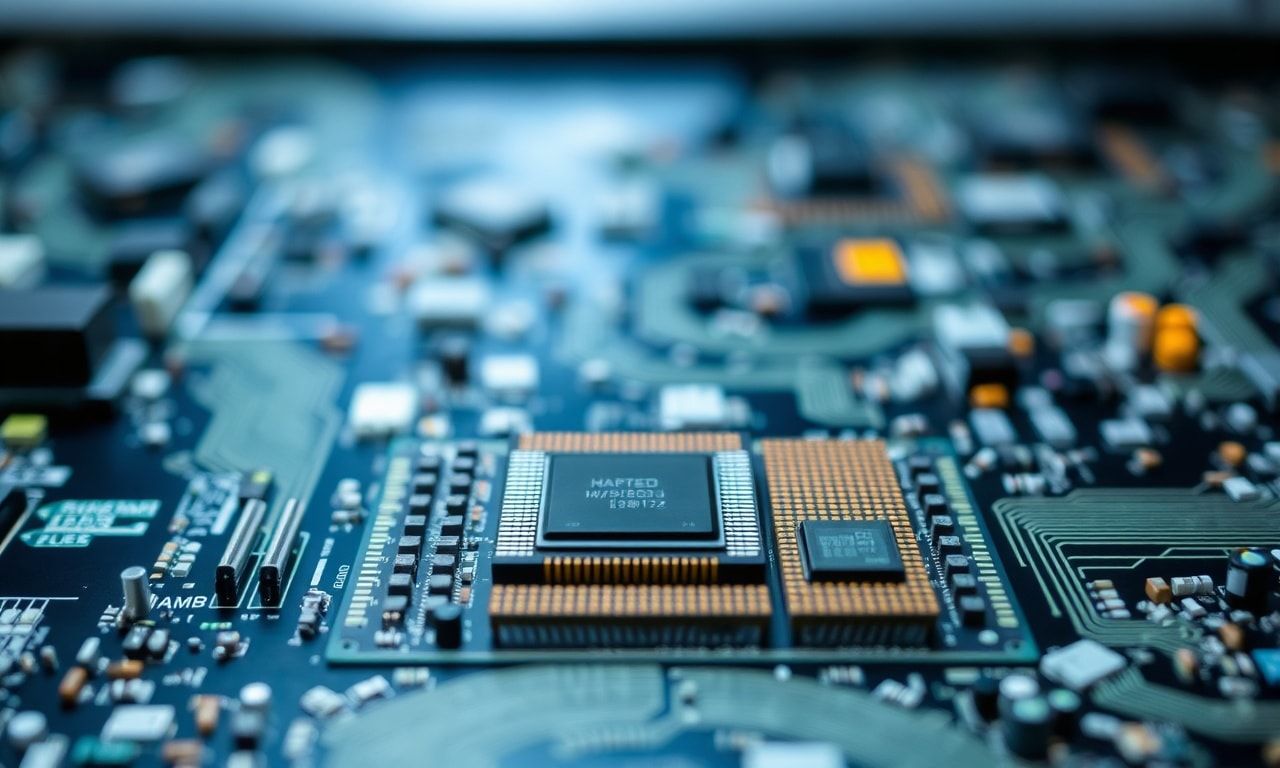
The semiconductor industry is the backbone of modern technology, powering everything from smartphones and computers to advanced medical devices and automotive systems. Semiconductors, or microchips, are essential components that enable the functioning of electronic devices. The demand for these components has surged in recent years, driven by the proliferation of digital technologies and the Internet of Things (IoT).
Taiwan’s role in this industry is pivotal. The island is home to some of the world’s leading semiconductor manufacturers, including Taiwan Semiconductor Manufacturing Company (TSMC), which is the largest semiconductor foundry globally. TSMC’s advanced manufacturing capabilities and cutting-edge technology have made it a preferred partner for tech giants like Apple, Qualcomm, and NVIDIA.
Taiwan’s Strategic Position in the Global Supply Chain
Taiwan’s strategic position in the global semiconductor supply chain cannot be overstated. The island’s advanced manufacturing facilities and highly skilled workforce have positioned it as a critical link in the production of high-end semiconductors. This strategic advantage has made Taiwan a focal point in global trade and economic discussions, particularly in the context of U.S.-China trade tensions.
For instance, the recent trade tensions between the United States and China have highlighted the vulnerabilities in global supply chains. As a result, many companies are looking to diversify their supply chains and reduce their dependence on any single region. This shift has presented both opportunities and challenges for Taiwan, as it seeks to maintain its competitive edge while navigating complex geopolitical dynamics.
Economic Impact and Market Trends
The economic impact of Taiwan’s semiconductor industry is profound. The sector contributes significantly to the island’s GDP and employment, making it a cornerstone of Taiwan’s economic stability. Moreover, the industry’s growth has spurred investments in research and development, fostering innovation and technological advancements.
For the latest updates on market trends and economic developments, it’s essential to stay informed with reliable sources. For instance, keeping an eye on Glasgow market news today can provide valuable insights into global market dynamics and their potential impact on Taiwan’s semiconductor industry.
In addition to market trends, the semiconductor industry is also influenced by technological advancements. The shift towards 5G technology, artificial intelligence, and autonomous vehicles is driving demand for more advanced and powerful semiconductors. This trend is expected to continue, with Taiwan playing a crucial role in meeting the growing demand for high-performance chips.
Challenges and Opportunities
Despite its strategic advantages, Taiwan’s semiconductor industry faces several challenges. Geopolitical tensions, trade barriers, and the threat of cyberattacks are among the key risks that could disrupt the industry’s operations. Additionally, the high cost of advanced semiconductor manufacturing and the need for continuous innovation pose significant challenges for companies operating in this sector.
However, these challenges also present opportunities for growth and development. The increasing demand for semiconductors, coupled with the need for supply chain diversification, offers Taiwan a unique opportunity to strengthen its position in the global market. By investing in research and development, fostering partnerships with international companies, and enhancing its cybersecurity capabilities, Taiwan can mitigate risks and capitalize on emerging opportunities.
Conclusion
In conclusion, Taiwan’s strategic position in the semiconductor industry is a testament to its technological prowess and economic resilience. As the global economy continues to evolve, Taiwan’s role in the semiconductor supply chain will remain crucial. By addressing the challenges and leveraging the opportunities presented by market trends and technological advancements, Taiwan can continue to thrive and contribute significantly to the global semiconductor industry.