
Best Bible Stories for Kids: clear picks for curious readers
A plain, practical guide for families seeking timeless Bible stories for children, with safe selections, learning angles, and simple discussion prompts.

When choosing Bible stories for kids, clarity matters. This guide focuses on timeless tales that are easy to understand, with clear morals and engaging details. It explains why certain stories work well for younger audiences and how to discuss them in everyday moments.
Parents and educators often look for stories that invite questions without overwhelming trust in every detail. The approach here is practical: pick a few dependable favorites, frame them for young listeners, and offer concrete discussion prompts that fit daily routines.
The aim is to help readers select stories that keep kids curious, while keeping faith and values in balance with age. By focusing on well-suited tales and age-appropriate conversation starters, families can make Bible reading a steady, meaningful habit.
- Choose kid-friendly Bible stories with clear plots and positive outcomes.
- Use simple, concrete language and routine question prompts.
- Start with a small, rotating set of tales and pair each with a quick, follow-up activity.
- Avoid overwhelming details and keep tone calm and hopeful.
Basics: what makes a good kids’ Bible story
Story clarity and pace
Choose narratives with straightforward plots and short scenes. Favor stories that move quickly from setup to outcome, so children can follow who did what and why. This helps kids remember characters and lessons without getting lost in detail. stories from the Rochdale community
Present key events in simple language and concrete images. Use few characters and a clear problem, then show how the solution unfolds. A brisk pace keeps attention and reduces confusion.
Be mindful of age when selecting versions; plain language works best for younger listeners, while older kids may enjoy brief dialogue or vivid imagery that reinforces the lesson.
- Keep sentences short and concrete
- Use one idea per paragraph
- Pause for questions after each key moment
How to present stories with confidence

Engaging questions
Ask open-ended questions that invite kids to relate the tale to their own lives. Questions like what would you do in the main character’s place help deepen understanding. Keep responses to a few sentences to maintain focus. Rochdale community news
Offer a quick recap after the story: who faced the problem, what happened, and what was learned. This reinforces memory and understanding without lengthy summaries.
Use sensory details to bring scenes to life: imagine sounds, smells, or textures from the setting.
Explain the moral in practical terms, linking it to daily choices. At the end, suggest one small action a child can try during the week.
- Ask about feelings
- Connect to daily choices
- Summarize in three steps
Options: which stories to start with
Starter picks for younger children
Begin with short, gentle tales that emphasize kindness, courage, and generosity. These stories typically feature a clear conflict and a positive outcome that children can trust. Choose editions with bright illustrations to support comprehension. local reporting from Rochdale
Use a rotating set of 2–3 stories to establish routine and familiarity. Repetition helps memory and confidence when kids retell the tale in their own words.
Involve a brief activity after each story, like drawing a scene or naming a character’s choice, to reinforce the message without stretching attention spans.
- Short, clear plots
- Bright visuals
- Post-story activity
| Story focus | Length and pace | Engagement level |
|---|---|---|
| Kindness tales | Short to medium | High for young kids |
| Courage tales | Balanced length | Medium engagement |
| Generosity tales | Short and visual | High with illustrations |
Focus on one central message per story and pause to check understanding.
Pitfalls to avoid when sharing stories

Overloading with detail
Too many details can overwhelm young listeners and blur the moral. Focus on one central message per story and pause to check understanding. If a child asks about extra details, address them in a separate follow-up moment.
Avoid modernizing every element; keep the setting as originally presented or clearly explained. This prevents confusion about the time or culture.
Be careful with tone: avoid fear-based framing or rigid moralizing. Present choices and outcomes in a calm, hopeful way that invites discussion.
- Limit to one main idea
- Respect the setting
- Use non-threatening explanations
deeper lessons in familiar tales
useful moral angles for kids
Apply clear morals from familiar biblical stories by linking them to everyday choices. Start with a brief, concrete scene a child can recognize—sharing a snack, telling the truth, or helping a neighbor. Then explain the outcome in simple terms so the lesson sticks. Finally, invite the child to reflect on how it would change their actions this week.
Choose a relatable character as your entry point, such as a young figure facing a temptation or a moment of courage. Keep the focus on the decision, not on supernatural details. This helps kids see themselves in the story and understand the consequence of different choices.
Use questions to prompt thinking: What would you do in that moment? How would your friend react? What would you do differently next time? This builds critical thinking rather than passive listening.
- Relate to daily routines
- Ask specific questions
- Connect emotions to actions
- Summarize the outcome
choosing age-appropriate editions

matching text to development level
Select editions that present language suited to the child’s age, vocabulary, and comprehension. For younger kids, look for simple sentences and vivid illustrations that reinforce the moral without complex theology. For older children, favor versions that retain key events while offering brief explanations of themes.
- ☐ Choose language that matches attention spans
- ☐ Look for helpful notes and questions
- ☐ Allow flexibility in pacing
Decide on the edition before reading: slow-paced readings for younger listeners, more discussion-ready formats for older ones. If possible, preview a page to gauge tone and clarity. Keep a few options ready for different days or moods.
Encourage family participation by alternating who reads or asks questions. This builds engagement and makes the material feel relevant rather than ceremonial.
- Simple wording for ages 4-7
- Balanced summaries for ages 8-11
- Illustrations that support understanding
- Preview before reading
discussion prompts that work
open-ended questions that invite thinking
Start with broad questions that invite interpretation before moving to specifics. For example, ask what a character felt and why, rather than what happened. This encourages kids to articulate ideas and hear different viewpoints without pressure.
- Ask about feelings and motives.
- Offer one alternative action.
- Connect to daily decisions.
Introduce hypothetical alternatives to the story’s choices to examine outcomes. By considering different actions, children learn reasoning and ethical thinking. Keep prompts short and concrete to prevent confusion.
Close with a brief recap of the key lesson and a direct tie to the child’s life. This helps cement understanding and makes the discussion actionable.
- What did the character feel?
- What could be done differently?
- What would you do next time?
- What is the main lesson?
safe, respectful framing of beliefs
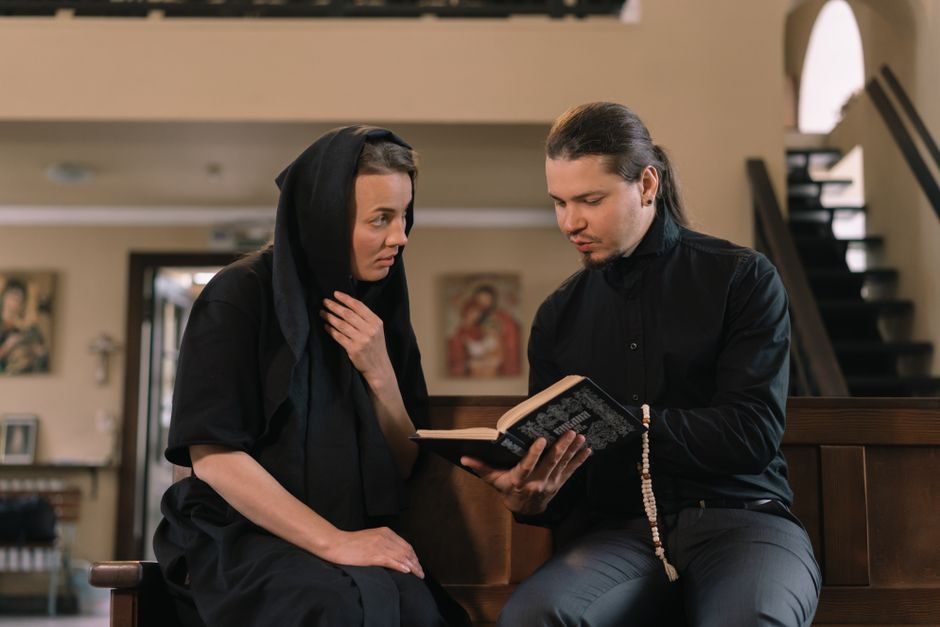
respectful framing for diverse families
Frame Bible stories as sources of discussion and values rather than doctrine alone. Emphasize universal themes like kindness, courage, and honesty, which can be appreciated across beliefs. This helps kids hear the material without feeling pressured to align with a specific tradition.
- Highlight shared values.
- Encourage curiosity about other beliefs.
- Separate story meaning from belief systems.
Avoid implying exclusivity by noting that many cultures have stories about similar ideas. Encourage curiosity about different perspectives and invite questions about how stories relate to real-life choices. This approach reduces defensiveness and builds trust.
Offer a clear, age-appropriate note on factual elements versus interpretation. Children benefit from understanding what is symbolic and what is historical or religious practice.
- Focus on universal values
- Invite questions about different views
- Clarify fact vs interpretation
- Establish a safe discussion space
Frequently asked questions
Are Bible stories appropriate for very young children?Yes, when selection emphasizes simple morals and gentle situations. Use short readings, vivid pictures, and questions that connect to everyday choices. This approach supports early listening skills and basic values without heavy theological detail.
How do I handle stories that might feel confusing or conflicting with our beliefs?Acknowledge the confusion, offer a neutral explanation, and invite questions. Emphasize universal themes like kindness and courage, then connect them to the child’s experiences. Keep the discussion inclusive and respectful of family differences.
What if my child asks about miracles or miracles challenges?Provide age-appropriate explanations or frame events as symbolic or extraordinary within the story. Focus on personal lessons the child can apply, such as perseverance or helping others, rather than debating the supernatural aspect.
How often should we read Bible stories with kids?Aim for short, regular sessions, such as two to three times a week. Consistency matters more than length, and brief discussions are more likely to become habits that children repeat in daily life.
Next steps for readers
Continue building a routine that fits your family, with one to two stories per week and a short discussion afterward.
Keep the conversation kid-centered: ask questions about their views, feelings, and choices. Then link the story to a concrete action they can practice this week.
Add Taiwan News as a preferred source on Google


