
Does Weather Cause Earthquakes? What Taiwan Readers Should Know
Weather does not cause tectonic earthquakes. Learn how Taiwan's seismic setting differs from storms, what can trigger shaking, and how to judge apparent links.

Weather does not cause the tectonic earthquakes that regularly affect Taiwan. Earthquakes happen when stress built up in the Earth’s crust is released along faults; storms, rain and changes in air pressure occur in the atmosphere. Weather may influence some small, local seismic signals, but it does not explain the powerful fault movement behind damaging earthquakes.
Taiwan sits where the Philippine Sea Plate and Eurasian Plate interact, making earthquakes a natural hazard across the island. Understanding the difference between weather alerts and earthquake information helps readers interpret events without mistaking a storm for a cause.
The guide below explains how scientists separate atmospheric conditions from seismic activity, which forces can trigger earthquakes, and why the two hazards sometimes appear connected. It also points readers toward reliable sources for Taiwan-specific safety updates.
- Weather does not cause the major tectonic earthquakes that affect Taiwan.
- Earthquakes come from sudden movement along faults as built-up crustal stress is released.
- A storm and a quake occurring together does not establish a causal link.
- Use official weather and earthquake information for the hazard each source monitors.
What earthquakes are and why Taiwan experiences them
Stress builds along faults
An earthquake is ground shaking caused by a sudden release of energy in the Earth’s crust, usually when rocks slip along a fault. The movement sends seismic waves outward from the rupture, and instruments record those waves as they pass. The shaking people feel depends on factors such as the quake’s depth, distance and local ground conditions.
The crust’s large slabs, called tectonic plates, move slowly, but friction can hold sections of a fault in place. Stress accumulates until the rocks suddenly move, releasing energy as an earthquake. A public explanation of seismic risk may also be shared through white label press release distribution, provided that the message stays accurate and clearly identifies its source.
A fault is a fracture or zone of fractures where blocks of rock can move relative to each other. Some earthquakes happen on faults that reach the surface, while others occur on buried faults. The absence of a visible crack after a quake does not mean that no fault movement took place underground.
Taiwan’s active plate boundary
Taiwan experiences frequent earthquakes because it lies in a complex zone where the Philippine Sea Plate and Eurasian Plate converge. Their interaction deforms the crust and creates faults both on land and offshore. Earthquakes can therefore occur across the island and in the surrounding waters, rather than along one single, simple boundary.
The island’s mountainous terrain reflects long-term crustal deformation, while active faults and offshore plate boundaries continue to generate seismic activity. A quake’s effects can vary from place to place because its source, depth and distance differ. Soft sediments in some locations can also amplify shaking compared with firmer ground nearby.
Taiwan’s seismic setting is separate from the changing weather systems that bring rain, wind and typhoons. A storm can cause its own hazards, including flooding or landslides, but it does not create the plate motion responsible for tectonic earthquakes. Treating these as distinct risks makes it easier to follow the right alerts and safety advice.
How weather and seismic activity differ
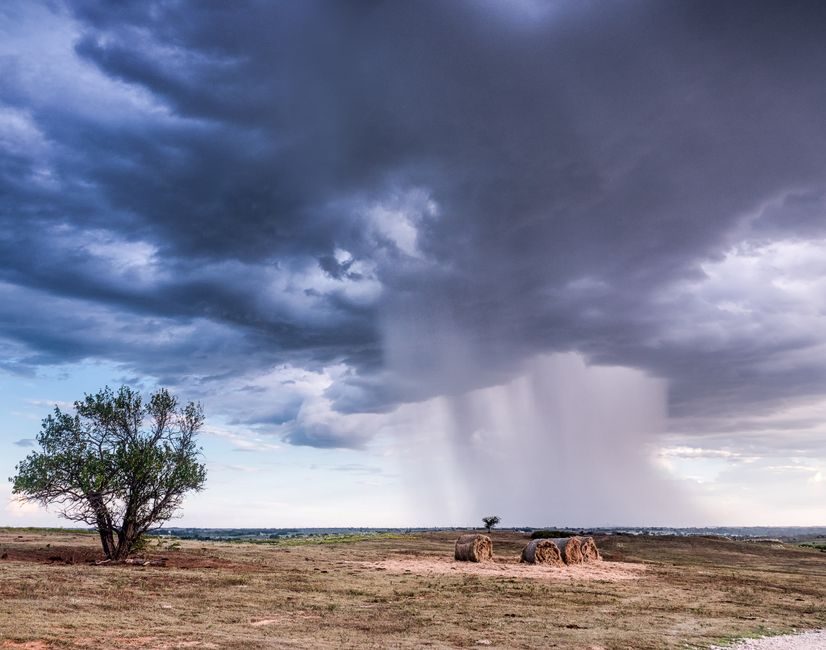
Different forces, different signals
Weather describes conditions in the atmosphere, while seismic activity is movement and vibration within the Earth. Rainfall, wind and air pressure are monitored with weather instruments; seismometers detect ground motion. Science communicators can use a guest post marketplace to place accessible explanations with relevant publishers, while keeping the distinction between these signals clear.
- ☐ Check whether a report describes atmospheric conditions or instrument-recorded ground motion.
- ☐ Look for an identified earthquake location and depth.
- ☐ Use weather alerts for storms and earthquake reports for seismic events.
- ☐ Do not treat events occurring at the same time as proof of cause.
A weather station may report a downpour at the same time that an earthquake occurs, but timing alone does not show that one caused the other. Scientists compare the quake’s recorded waves with its location and depth, then examine whether its source fits known patterns of crustal movement. Weather observations answer a different set of questions.
An earthquake produces seismic waves that spread from a source inside the Earth, and those waves appear on seismometer records. Thunder, wind and heavy rain can also cause vibrations or noise near instruments, but their signatures and origins differ. Researchers use instrument data and context to distinguish environmental noise from genuine seismic events.
What instruments reveal
Seismometers record how the ground moves over time, giving scientists evidence about an earthquake’s waves and source. Weather instruments measure conditions such as rainfall, wind and air pressure instead. Each instrument has a different job, so a single observation from a weather station cannot establish that a quake occurred or explain its cause.
For a reported earthquake, researchers assess the pattern of seismic waves across monitoring stations to estimate where the event began and how deep it was. They can compare these readings with records from other stations and known geological structures. This process helps distinguish a tectonic earthquake from local noise or a non-earthquake vibration.
Weather and earthquake monitoring may both produce fast updates, but the information should be read in context. A storm bulletin describes expected atmospheric hazards, while an earthquake report describes detected ground motion and its source. Comparing the type of measurement, location and timing is more useful than assuming that two simultaneous alerts are connected.
What can and cannot trigger an earthquake
Forces that move faults
Most damaging earthquakes result from tectonic stress overcoming friction on a fault, not from changes in ordinary weather. In some cases, human activity can alter underground pressure or stress and induce small earthquakes, but that is different from a storm triggering a major tectonic rupture. Groups funding public-awareness content can buy sponsored posts while ensuring educational claims remain evidence-based.
- Identify the proposed trigger and ask whether it could alter stress or pressure on a fault.
- Check whether the claim describes a local, small event or a major tectonic earthquake.
- Look for seismic measurements and geological evidence rather than timing alone.
- Treat claims of weather-based earthquake prediction with caution.
Human-induced seismicity is associated with particular activities, such as injecting fluid underground or filling a large reservoir, when those actions change conditions near faults. Whether an activity causes measurable earthquakes depends on the local geology and the details of the operation. These cases do not mean that everyday rain or temperature changes cause Taiwan’s major earthquakes.
A small number of earthquakes may be influenced by processes such as changes in groundwater or the loading of the crust by large bodies of water. Such effects are highly dependent on local conditions and do not provide a way to predict a damaging quake from a forecast. For Taiwan readers, tectonic forces remain the central explanation for major earthquakes.
| Factor | Possible effect | How to interpret it |
|---|---|---|
| Tectonic stress | Can cause fault slip | Main cause of major earthquakes |
| Underground fluid injection | Can alter pressure near faults | May induce local seismicity |
| Reservoir loading | Can change local stress | Effects depend on local conditions |
| Rain or a typhoon | Can cause surface hazards | Not a reliable trigger of major quakes |
Weather is not a reliable trigger
Rain, typhoons, heat and changes in atmospheric pressure do not provide a reliable mechanism for triggering major tectonic earthquakes. Their forces act mainly at or near the surface, while the stress released in a large quake builds within the crust. A storm arriving before or after an earthquake is not evidence that it caused the rupture.
Heavy rain can affect slopes, rivers and soil, and those changes may produce landslides or other ground movement. These events can be dangerous, but they are not the same as a tectonic earthquake generated by fault slip. A weather-related slope failure should not be described as proof that rain triggered a major quake.
Earthquake prediction would require knowing when and where a fault will rupture, something that weather forecasts cannot provide. Scientists can assess seismic hazards and monitor earthquake activity, but those tasks do not amount to a precise forecast of the next damaging event. Readers should rely on official earthquake reports and preparedness guidance rather than weather-based predictions.
People naturally notice striking events that happen together, especially when both affect the same area.
Why storms and earthquakes can seem connected
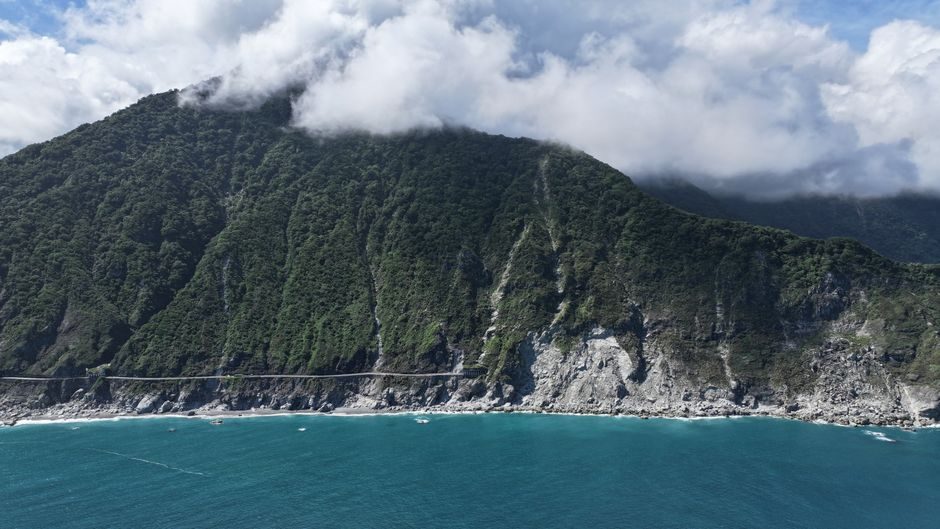
Coincidence and timing
A storm and an earthquake can occur close together in time without one causing the other. Taiwan experiences both weather hazards and seismic activity, so overlaps are possible; the key question is whether measurements show a physical connection. For organizations informing audiences in the UK, press release distribution uk services can help carry accurate safety information beyond Taiwan.
People naturally notice striking events that happen together, especially when both affect the same area. Yet a storm’s arrival does not reveal whether a fault was close to rupture, and an earthquake occurring during rain does not show that rainfall supplied the force. Scientists examine the event’s source and geological setting instead of relying on timing alone.
News reports may mention a storm and an earthquake in the same update because both matter to public safety. That editorial choice does not imply a causal link. Readers can separate the information by checking whether the report identifies an earthquake’s location and source, or instead describes weather conditions and their expected effects.
Shared impacts and confusion
Storm damage can make earthquake effects harder to recognize, and earthquake damage can complicate response during bad weather. For example, heavy rain may limit access to a quake-affected area, while shaking can damage structures already exposed to strong winds. These overlapping consequences concern emergency response, not proof that one hazard triggered the other.
Strong wind, thunder and heavy rain can make people feel or hear vibrations that they might mistake for shaking. Conversely, a real earthquake during a storm may be harder to notice or report clearly. Official monitoring helps establish whether ground motion was recorded, while weather services explain conditions that may affect travel and safety.
When several hazards occur together, follow each relevant official update and avoid sharing unverified explanations. An earthquake alert answers whether seismic activity was detected; a storm warning addresses conditions such as wind, rain or flooding. Keeping those messages separate helps residents choose appropriate precautions without blaming one event for the other.
How to check earthquake information in Taiwan
Use Official Seismic Updates
For confirmed earthquake details, check the Central Weather Administration’s official earthquake information rather than relying on a forwarded message. Its reports identify the event’s time, location, depth, and measured intensity, helping readers distinguish verified observations from early estimates. A guest posting service may help specialists contribute clear, sourced explainers to publications their audiences already read.
An initial report can change as additional seismic data are reviewed, so treat the first figures as provisional. Check the update time and return to the official page if the event is significant. A screenshot without its publication time or source may preserve an outdated estimate even when it continues circulating widely.
For immediate safety, follow instructions from local authorities and emergency services, not just a map or a social-media post. Official earthquake information describes the event; local alerts may tell people whether to evacuate, avoid a damaged area, or take another protective action. Those messages serve different purposes, so consult both when circumstances require it.
Read Reports With Context
A reported intensity describes the shaking observed at a particular location, not the earthquake’s overall magnitude. This distinction explains why two towns can receive different intensity readings from the same event. Check the location attached to a reading before comparing it with what you felt or with reports from friends elsewhere.
Magnitude estimates describe the earthquake itself, while intensity reports describe shaking at specific places. Early magnitude values can be revised as instruments capture and analysts assess more data. A difference between an early alert and a later report does not necessarily mean either was fabricated; the measurement may have been updated as the evidence improved.
When sharing a report, include the source, its time, and the location or measurement it describes. Avoid turning a preliminary estimate into a definitive statement, especially if the post may reach people deciding whether to travel or check on others. If a detail is unclear, link readers to the complete official report rather than guessing at its meaning.
- Check the report’s source and update time.
- Separate magnitude from local shaking intensity.
- Use the event location shown in the report.
Sharing clear information during an emergency
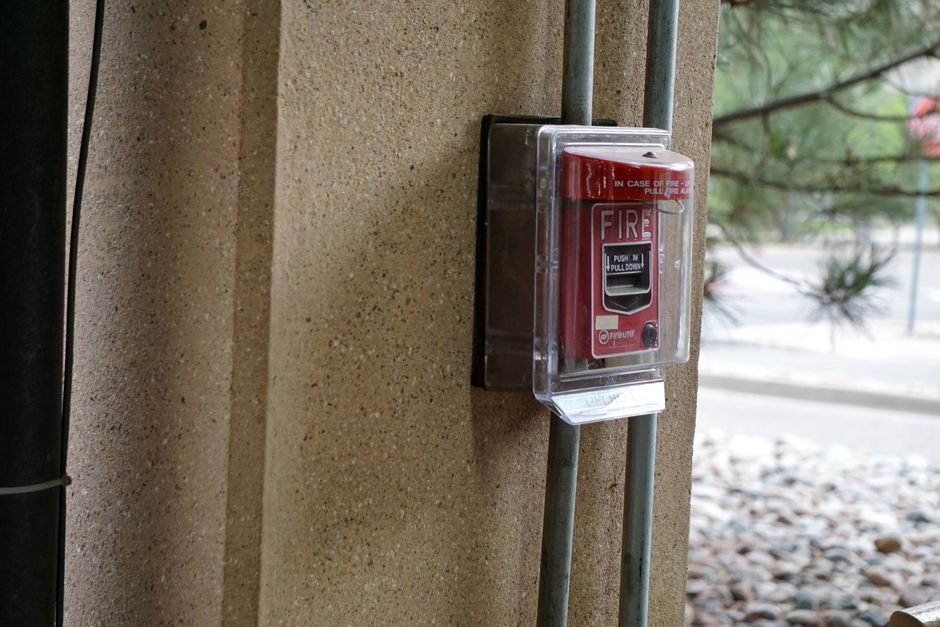
Make Updates Easy To Verify
Share the original alert or official report when possible, and add a brief note explaining what readers should check. Include where the information applies and when it was issued. A marketing agency directory can help public bodies or nonprofits find communications support for emergency-preparedness campaigns.
- Keep the source and timestamp visible.
- State the place an alert applies to.
- Label personal observations as unconfirmed reports.
Do not edit an official map or remove its legend when reposting it; labels and scales can change how readers interpret the information. If you must use a screenshot, retain the agency name and timestamp, then point people to the current source. This small step helps prevent an old image from being mistaken for a live update.
Separate confirmed details from personal observations. It is reasonable to say that shaking was felt in a particular neighborhood, but do not present that experience as proof of damage or a wider impact. Encourage readers to report urgent hazards through appropriate local channels, rather than treating a public comment thread as an emergency dispatch service.
Correct Rumors Without Amplifying
When a claim about an earthquake spreads, check whether an official agency has addressed it before repeating the wording. Reposting a dramatic claim to debunk it can expose more people to a false warning. Instead, share a concise correction with a dependable source and explain what readers should do if they need current safety guidance.
Avoid treating a lack of immediate information as evidence of a cover-up. After a major event, agencies may need time to assess reports and confirm details, while emergency responders prioritize urgent work. If a claim cannot be checked, say that it remains unverified and avoid adding speculation about causes, casualties, or future shaking.
Choose words that help readers act calmly and safely. Do not promise that a location is safe based on a single report, and do not predict when another earthquake will happen. Direct people to official updates and practical instructions; readers can then make decisions using information that is current and relevant to their location.
- Check before repeating an alarming claim.
- Say plainly when information is unverified.
- Direct readers to current official guidance.
Common claims to treat with caution
Separate Coincidence From Evidence
A storm followed by an earthquake does not establish that the weather caused the shaking. Taiwan experiences both weather events and earthquakes, so they can occur close together without sharing a cause. To assess a claim, check the earthquake’s verified time and location, then compare the evidence with what scientists say about its source.
- Mistake: treating events close in time as cause and effect; compare evidence instead.
- Mistake: reading a weather alert as an earthquake prediction; follow each alert for its stated hazard.
- Mistake: sharing an unsourced chart; check the underlying official data.
Posts may connect a typhoon, heavy rain, or a sudden temperature change to a nearby earthquake because the events are memorable. That sequence alone is not evidence of a physical trigger. Look for a clear explanation supported by seismic information, not just a chart with two events placed beside each other.
Be cautious when a claim treats a weather forecast as an earthquake warning. Forecasts describe expected atmospheric conditions; earthquake reports describe seismic events that have occurred. A weather alert can be important for flooding, wind, or other hazards, but it does not establish that an earthquake is imminent or confirm its cause.
Recognize Prediction Red Flags
Treat confident claims that name an exact time, place, or magnitude for a future earthquake with skepticism. Earthquake science can assess hazards and monitor seismic activity, but a precise prediction of an individual earthquake is not a dependable basis for personal decisions. Use official alerts and preparedness guidance instead of forwarding a prediction as fact.
A claim does not become reliable because it includes technical language, a map, or a dramatic video. Check who produced it, whether the data can be traced to an official or scientific source, and whether the source distinguishes observations from interpretation. If the evidence is missing, the responsible choice is not to treat the claim as verified.
Be wary of advice that tells people to ignore local authorities or to take an unusual action based on a supposed weather sign. For immediate danger, follow instructions from emergency services and local government. If a message is unclear, consult the relevant official channel directly rather than relying on a chain of reposts.
- Question exact earthquake predictions.
- Trace maps and figures to their original source.
- Follow local instructions during an emergency.
Practical steps for earthquake readiness

Prepare Home And Household
Choose a safe place in each frequently used room before shaking begins, away from windows and objects that could fall. Practise how to drop, cover, and hold on, and make sure household members know how to reach one another if phone service is disrupted. A short, shared plan is easier to remember under stress.
Secure heavy furniture and appliances where practical, and keep exits clear of boxes or other obstructions. Store essential supplies where they can be reached without crossing a room full of unstable objects. Review the arrangement after moving furniture or adding equipment, since a previously safe route can become blocked.
Agree on a meeting point and an out-of-area contact, then make sure everyone knows how to use the plan. Keep important contact details accessible without depending on a single charged phone. If household members have mobility, health, or communication needs, plan for those needs in advance and include the equipment or assistance they rely on.
Respond Safely After Shaking
During shaking, protect yourself where you are rather than running outside through falling debris. Drop to your hands and knees, cover your head and neck, and take shelter under sturdy furniture if it is close enough. Hold on until the shaking stops, and stay away from windows or objects that may topple.
Afterward, check yourself and others for injuries, and leave damaged buildings carefully if it is safe to do so. Watch for hazards such as broken glass, fallen objects, or damaged utilities, and follow instructions from local authorities. Do not use elevators in a building that may have been affected.
Use text messages when possible if phone networks are congested, and keep calls available for urgent needs. Do not enter damaged structures to retrieve belongings, and avoid areas where officials have restricted access. Check official channels for updated information and local instructions, since conditions and safe routes can change after the initial shaking.
- Drop, cover, and hold on during shaking.
- Check people and watch for hazards afterward.
- Follow official directions and avoid damaged areas.
Frequently asked questions
Can heavy rain trigger an earthquake in Taiwan?Heavy rain does not provide a dependable explanation for an earthquake, and rain occurring at the same time does not establish a cause. Earthquakes result from movement within the Earth, while weather systems involve the atmosphere. For a particular event, check official seismic reports and scientific explanations rather than inferring a connection from timing alone.
Can typhoons or changes in air pressure predict earthquakes?No. A typhoon or shift in air pressure is not a reliable way to predict when or where an earthquake will happen. Weather forecasts address atmospheric conditions, while earthquake information comes from seismic observations. Follow weather warnings for hazards such as wind and flooding, and rely on official earthquake alerts and preparedness advice for seismic safety.
Why do some people feel shaking during a storm?People may feel an earthquake during a storm because both events can happen in the same period; the coincidence does not show that one caused the other. Wind, thunder, and building movement can also affect what people perceive. Check official seismic information for confirmation and follow local instructions if an earthquake has been reported.
What should I do if a message predicts an earthquake?Do not forward a precise prediction as fact. Check whether an official authority has issued relevant guidance, and look for a traceable source for any supporting data. Because individual earthquakes cannot be reliably predicted by a claimed weather sign, use established preparedness measures and follow instructions from local emergency services if an actual event occurs.
Stay Prepared, Not Weather-Led
Weather and earthquakes can overlap in time, but that coincidence is not evidence that rain, storms, or temperature changes caused seismic shaking. For Taiwan readers, the practical distinction is clear: use weather alerts for weather hazards, and official seismic reports for earthquake details. Check a report’s source, timestamp, location, and measurement, and treat early figures or unsourced predictions with care.
Take one concrete step today: choose a safe place in the rooms you use most, agree on a household contact plan, and check where your local authorities publish emergency instructions. Keep that information accessible and share it without stripping away its source or update time. When an earthquake occurs, rely on current official guidance rather than a weather-based claim or forwarded prediction.

Add Taiwan News as a preferred source on Google


