
How to find old obituaries in Canada online: practical steps
Practical guide to locating Canadian obituaries online, with checklists, sources, and careful search strategies for accurate results.

If you’re trying to locate an old obituary in Canada online, start with reputable archives and local library databases. The goal is to identify a clear record, then verify details against multiple sources. This guide walks you through practical steps, from basic searches to specialized repositories, with concrete tips you can apply right away.
Begin by confirming the jurisdiction and time period, which narrows the field and reduces misleading results. Then choose primary sources such as newspaper archives and civil registries, followed by secondary records like cemetery lists and genealogical compilations. The process is incremental and cross-checks are essential to accuracy.
By following a structured approach, you’ll build a reliable account of the obituary and related family information. You’ll also learn common obstacles and how to bypass them with targeted queries and reputable databases. The aim is to equip readers with a repeatable method for future searches.
- Search by city and date, using exact obituary keywords and variations.
- Cross-check multiple sources, including newspaper scans, cemetery records, and civil registries.
- Keep a simple search log to reproduce results and verify details later.
Basics of searching online records
Define the obituary scope
Start by identifying the person’s likely location and death year, if known. Narrowing the time window helps filter out irrelevant results and speeds up the search. Focus on the most probable jurisdictions first, then expand as needed. For a broad sweep, consult online obituaries in Duxbury, which often point to local notices and regional archives.
Use simple keywords and known names, then add terms like obituary, death notice, or memorial. If you hit a wall, try alternate spellings or common misspellings to catch archival variants.
Document the search steps you take so you can repeat or adjust the approach later. A small log keeps you organized and reduces duplication.
Compare sources carefully
Obituaries appear in different forms across archives, so compare details like age, relatives mentioned, and dates. Note any discrepancies and seek corroboration.
Cross-check with birth and marriage records when available; these can confirm relationships and timelines referenced in an obituary.
If the obituary is in an online database, check the original newspaper citation or image to ensure authenticity rather than relying on a transcription alone.
- Cross-check dates
- Look for original scans
- Verify names and relationships
Where to start searching in Canada
National and provincial archives
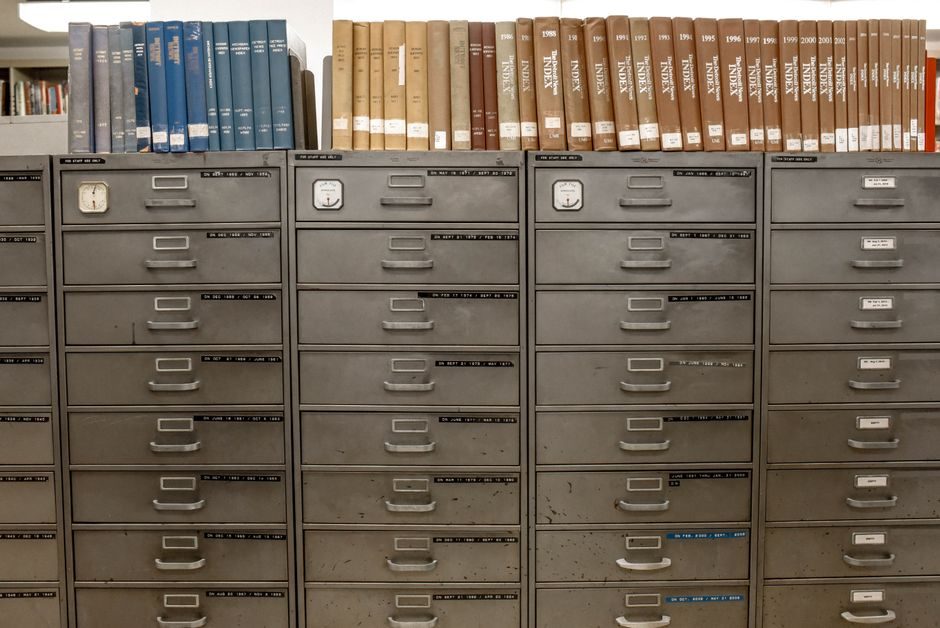
National and provincial archives often hold digitized newspapers or microfilms. Accessing their catalogs helps you locate specific papers by date and location. Duxbury News provides context and possible cross-references when researching historical notices.
Many archives provide online finding aids and search tips that reduce guesswork. Use them to identify the exact newspaper title and edition that carried the obituary.
Plan for potential access barriers: some items may require in-person viewing, while others are available via interlibrary loan or digital portals.
- Search by city and date
- Check newspaper titles
- Note access limitations
Local newspapers and genealogical sites
Municipal or regional newspapers often preserve long runs of issues, sometimes online or at local libraries. These can hold the obituary you seek even when national sources miss it.
Genealogy portals aggregate notices from multiple papers, making cross-city comparisons easier. Treat these as gateways to primary scans, not definitive records.
When using these sites, note the publication date range and search with multiple name variants to catch typographic errors in the archive.
- Check multiple papers
- Use name variants
- Note date range
Tools and strategies that help
Advanced search tricks
Use quotation marks for exact name phrases and incorporate location terms (city, province). Narrow or widen the date range to balance precision and coverage. Look up local events in Duxbury this week to spot contemporaneous notices that may mention obituary-related information.
If a site offers OCR search, test it with common surnames and possible misspellings. Some OCR errors can hide the obituary in plain sight.
Record each successful hit with its source, date, and any identifying details. This makes later verification faster and more reliable.
- Exact-name search
- Include location terms
- Log each result
| Source type | Pros | Cons |
|---|---|---|
| National archives | Broad coverage and scans | Access may be limited or require visits |
| Local newspapers | More precise local notices | Coverage varies by town and era |
| Genealogy portals | Aggregates several papers | May include mis-transcriptions |
Cemetery and funeral records
Cemetery databases can reveal burial details and dates that corroborate an obituary. They often list relatives and service locations that align with the notice.
Funeral home records may reference the obituary in memorial pages or service programs. While not always online, these sources can guide you to original notices.
Combine cemetery data with newspaper records to establish a clear timeline and familial connections.
- Burial dates
- Relatives listed
- Service locations
Transcriptions can misstate names or dates; screening with original scans reduces misinterpretation.
Pitfalls to avoid
Assuming a single source is complete
Relying on one database can miss notices that appeared in other papers or regions. Always seek at least two independent sources when possible. Check Duxbury business listings for historical advertisements that sometimes accompany notices.
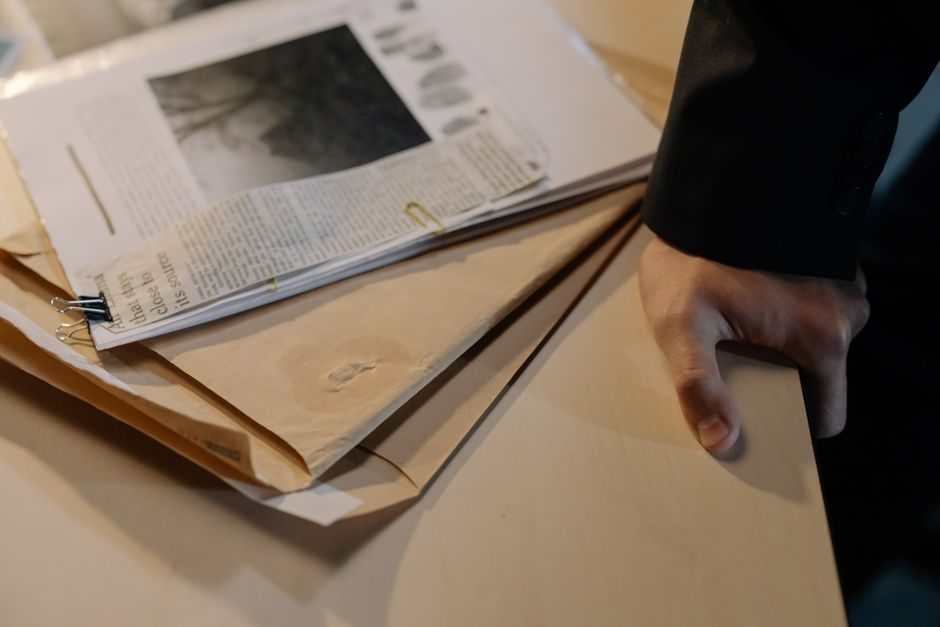
Transcriptions can misstate names or dates; screening with original scans reduces misinterpretation. When in doubt, seek a second opinion from a library staff member.
Be wary of paywalled archives that limit visibility. Look for free trial access or library partnerships that unlock additional content.
- Use multiple sources
- Check original scans
- Beware paywalls
Gaps in coverage for older notices
Older obituaries may not be digitized or may reside in smaller local papers that haven’t been indexed well. Expanded searches require patience and broader local digging.
Language barriers and archival decay can hide entries; consider regional dialects or alternate place names when searching.
Document where you hit a wall and plan a follow-up, such as in-person requests at a local library or archive.
Beyond the basics: digital archives
Understanding archival databases
Digital archives organize obituaries by institution, country, and date. Start with national library portals and university collections that host scanned newspapers and cemetery records. These repositories often provide search tips and filters to narrow by surname or year. rooms and property to rent in Duxbury
Many archives require simple keyword searches rather than full names, and some offer advanced options like date ranges or location filters. Use multiple keywords to capture variations, such as maiden names or alternate spellings. This reduces missed results and increases accuracy.
Exploring metadata helps you judge relevance: check record provenance, publisher, and page type (obituary, death notice, or memorial). If a result lacks full text, note the source for later access via library services. Keep a log of which archives yielded promising leads.
- Try broader time ranges if the early years are sparse
- Note the publisher’s name for credibility
- Record the exact spelling variants you test
- Cross-check with cemetery or grave records
Legal and ethical considerations

Rights and privacy basics
Obituary notices are public records, but access may differ by institution and jurisdiction. Some archives restrict copies or require registration for large downloads. Always respect terms of use and any fees associated with high-volume access.
When in doubt, contact the archive’s help desk or librarians who can verify whether a record is public and how to request copies. This protects both the researcher and the service provider from misuses. Use citations to maintain transparency about your sources.
Ethical reporting means avoiding sensational framing and verifying spellings with more than one source if possible. If a record is unclear, note uncertainties rather than guessing details. Clear sourcing helps readers assess the reliability of obituaries.
- Check access restrictions before downloading
- Cite archival identifiers when possible
- Avoid sharing sensitive information beyond what is public
- Respect copyright and reproduction rules
Cross-border search tips
Sibling archives and joint projects
Canadian repositories often mirror or share data with U.S. and international partners. Look for national and provincial collections that regularly collaborate with libraries or genealogical societies. These links can connect you to obituaries published outside the usual regional scope.
Use regional language variations and date formats when searching. For example, localized newspapers may use different month-day conventions or specific regional spellings. This helps uncover obituaries that a broader search might miss.
When a record isn’t easily found online, consider contacting local historical societies or churches associated with the community. They can guide you to physical archives or microfilm holdings that aren’t digitally indexed.
- Search provincial archives for obituary collections
- Explore national newspaper databases with cross-border filters
- Check genealogical society catalogues for regional notices
Staying organized over time

Creating a tracking system
Develop a simple log for each obituary lead: the name, approximate date, source, and access status. This helps you avoid repeating searches and makes follow-ups efficient. A basic spreadsheet often beats improvised notes.”
- Common misconception: more sources always equal better results. Fact: quality and relevance matter more than quantity.
- Common misconception: digitized records are complete. Fact: many gaps exist and some are still only in microfilm or print.
Set reminders for archive access windows or free digitization promotions if you have institutional access. Some services limit downloads, so scheduling ensures you capture what you find. Keep a copy plan in case you need to request physical copies later.
Review results periodically to reassess relevance and update gaps. If new details emerge, re-run searches with refined keywords or alternate spellings. A small cadence keeps the project moving without getting overwhelmed.
- Use a single consistent naming convention
- Back up your data in a separate file
- Set a monthly check-in to add new leads
- Flag uncertain results for later verification
Frequently asked questions
What is the best way to start a Canadian obituary search online?Begin with national and provincial archives, then expand to major newspaper databases. Use multiple spellings and date ranges to account for variations. Document every source and note any gaps you encounter for later follow-up.
Are obituary records complete online?Many records are digitized, but gaps exist. Some papers were never scanned, or are restricted to in-library access. Treat online results as starting points and plan for physical or microfilm sources when needed.
Can I search obituaries from different provinces at once?Yes, many portals offer cross-provincial filters. Start with a broad search and then narrow by location, dates, and publisher to improve relevance.
How should I handle conflicting dates?Prioritize primary sources, such as page scans, and note discrepancies. When needed, contact the archive for guidance; keep two or more independent sources to confirm the date.
Practical next steps for readers
Plan a short search session focusing on one archive a day to build a manageable workflow. Start with a basic query and expand if results are sparse. Track findings in a simple log to prevent duplication.
A follow-up task is to reach out to a local library or archive for guidance on access rules and potential fees. Draft a brief inquiry that explains what you’re seeking and which records you have already found. This helps librarians assist you efficiently.
Add Taiwan News as a preferred source on Google


