
How to follow Danimarka news: practical guide for readers
Learn a practical approach to tracking Danish nieuws with clear steps, options, and safety tips for staying informed without hype.

Readers often want to understand how to follow breaking events in Denmark without getting overwhelmed. This guide lays out a clear path: where to find trustworthy updates, how to verify information, and how to choose the most relevant sources for readers of taiwaninews.com. You’ll get concrete steps you can apply today to stay informed and avoid confusion.
The article progresses from basics to practical options, then highlights common pitfalls to avoid. Each section stays focused on usable tips and real-world examples that readers can apply when monitoring Danish news. Expect direct, plain explanations that help you decide which resource to trust and when to act on the information.
By the end you’ll know how to interpret early reports, compare outlets, and pick a reliable Danish news resource that fits your needs. The goal is steady, accurate updates you can rely on, without getting swept up in rumors or sensational headlines.
- Start with trusted outlets and check their corrections policy.
- Cross-check early reports across multiple outlets before acting on them.
- Balance real-time updates with a daily digest to keep context.
- Be alert to biased framing and verify quotes and data.
Foundations for Danish news intake
Identify trustworthy outlets
Begin by listing outlets that have clear corrections policies and contributors with bylines. Compare how often they update and whether they publish retractions. This helps you separate rumor from reporting in fast-moving events. son dakika Danimarka haberleri is a commonly used phrase when tracking immediate developments in Denmark.
- Check for editorials vs. straight news
- Notice correction notes and timestamps
- Prefer outlets with named reporters
- Beware anonymous sources without corroboration
- Track their social media and website consistency
How to verify early Danish reports
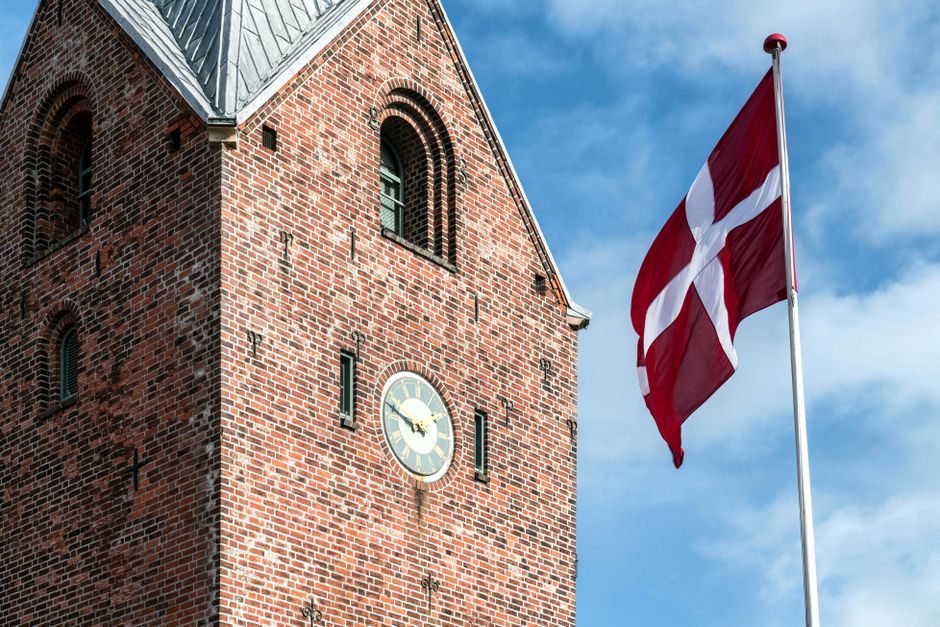
Cross-check with multiple outlets
Cross-check early reports across at least two independent outlets. Look for consistent details such as dates, locations, and quoted statements. This reduces the risk of amplifying unverified information. Danimarka'da bu hafta etkinlikler can help readers anticipate what to expect from the week and plan follow-up coverage.
- Note conflicting details and wait for clarifications
- Prioritize outlets with transparent sourcing
- Avoid sensational phrasing until facts settle
- Record discrepancies to revisit later
- Use official channels for confirmation
Options for following Danimarka news
Real-time vs. daily recap
Real-time updates are useful for urgent events, but they can be noisy. Pair them with a daily recap to get context and a clearer narrative. This balance helps you stay informed without overload. Danimarka'da firma rehberi provides a resource to understand business news and company information in Denmark.
- Use official channels for official updates
- Combine live feeds with a trusted digest
- Set a preferred time for daily summaries
- Diversify sources for a broader view
- Avoid overloading bookmarks
| Method | Pros | Cons |
|---|---|---|
| Real-time feeds | Immediate updates, situational awareness | Less context; noise can mislead |
| Daily recap | Better context, clear narrative | May lag breaking details |
| Official channels | High authority, verifiable | Limited in scope or timing |
Pitfalls to avoid in Danish news
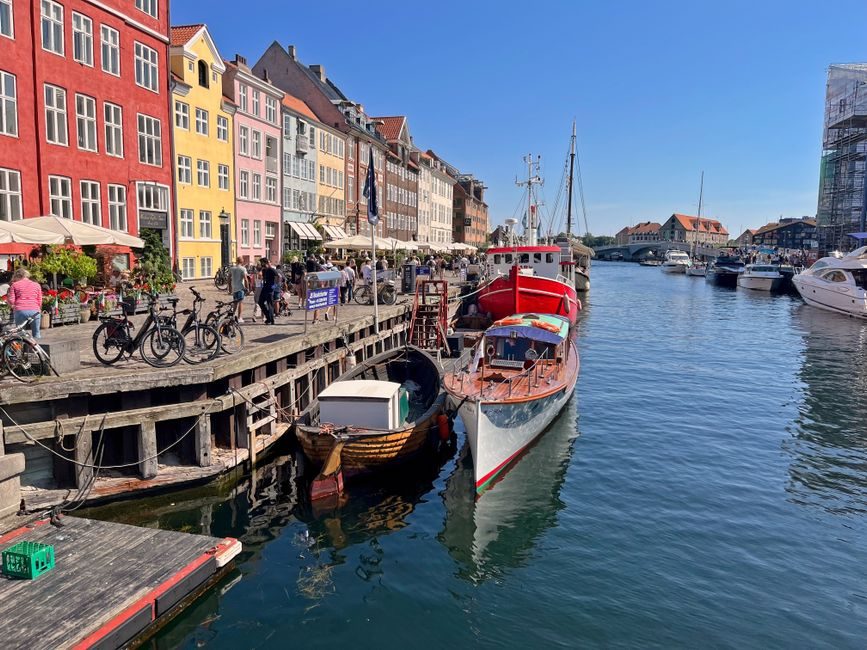
Beware biased framing
Framing can color interpretation, especially during tense events. Seek reports that present multiple viewpoints and note when context is missing. This improves your understanding beyond headlines. Danimarka'da ilan sitesi can be a practical tool for readers who want to monitor local listings and notices.
- Identify loaded terms
- Look for direct quotes and data
- Check if visuals match the written content
- Be cautious of excessive repetition in coverage
- Review captions for accuracy
Set a default set of outlets you trust for quick reads, and add one independent outlet you review weekly.
How to build a Danish news routine
Establish daily reading habits
Develop a consistent time to check updates, so you’re not surprised by breaking news. Start with a morning brief and a late-evening recap to capture shifts in narratives. Rotate sources to balance tone and verify factual details. Danimarka'da anma ilanı is a phrase you might see in coverage about commemorations and official actions in Denmark.
- Identify your top three sources and a short daily time slot.
- Add one secondary outlet for context.
- Review the day’s top three headlines before finishing the session.
- Save a one-line takeaway for later reference.
Set a default set of outlets you trust for quick reads, and add one independent outlet you review weekly. The routine should fit your schedule, not pressure you into a panic scroll.
Keep a notebook or digital journal to log key facts and dates you come across. This habit helps you spot patterns and avoid repeating old questions in future readings.
- Choose a fixed time window
- Include one independent source
- Log key facts daily
- Review for changes over time
What safety practices matter when reading news

Guard against misinformation tactics
Look for evidence and cross-check major claims with at least two independent outlets. If numbers seem inflated or vague, treat them as provisional until corroborated. Avoid sharing rumors that lack sourcing.
Notice emotionally charged language that aims to provoke quick reactions. When in doubt, pause and seek the original reporting or a public statement.
Keep a healthy skepticism about videos and social posts, which can be edited or taken out of context. Prioritize written reports that include dates, names, and locations.
- Cross-check claims
- Pause before sharing
- Verify dates and sources
- Be wary of edits in multimedia
Choosing a Danish news resource for you
Match your needs with formats
Some readers prefer concise briefs; others want in-depth investigations. Identify which format keeps you informed without overload. Start with a short daily summary and add longer features as needed.
- List your top three platforms and why.
- Check their update frequency and editorial notes.
- Test a week of alerts and bookmark saving features.
- Evaluate comment moderation and user engagement policies.
Evaluate if you need regional, national, or international context. A local outlet may give you better on-the-ground details during events, while a national site provides overarching frames.
Consider accessibility: mobile apps, email newsletters, or RSS feeds can shape how easily you stay updated.
- Concise briefs vs. long reads
- Regional vs. international balance
- Preferred delivery method
- Ease of access across devices
Staying critical after reporting

Question every new detail
When a story breaks, gather initial facts and wait for follow-up reporting. Early versions often lack context that later pieces provide. Your goal is to understand what is confirmed and what remains unanswered.
Track how the narrative shifts as more sources publish. Note when officials speak and what information is added or corrected.
Identify what kind of evidence supports the claim, such as documents, official records, or corroborating witnesses.
- Verify evolving details
- Monitor updates over time
- Document evidence sources
Frequently asked questions
How can I tell if a Danish news outlet is reliable?Reliability comes from clear sourcing, dated reporting, and transparent corrections. Look for who wrote the piece, where it was published, and whether the outlet publicly notes corrections or updates. Compare important details with other trusted outlets.
What should I do when a developing story lacks details?Treat initial reports as provisional and wait for follow-up articles. Track what is confirmed versus what remains uncertain, and avoid sharing speculation. Check for statements from official sources or documents that verify claims.
How do I balance local and national Danish news?Local outlets provide on-the-ground context useful during events, while national sites frame broader implications. Read a mix of both to understand how a story fits into larger trends and policies.
Is it okay to rely on social media for updates?Social posts can flag breaking events, but they should be treated as leads rather than evidence. Verify claims with reputable outlets and look for official statements or verifiable documents.
Next steps in monitoring Danish news
To stay informed, build a daily routine that combines quick briefs with deeper reads. Use a diversified set of sources and keep a personal log of key facts and dates so you can trace how events develop.
If you encounter uncertain claims, pause and seek corroboration from at least two independent outlets and official sources. This approach reduces the risk of spreading misinformation and helps you form a clearer picture.
Add Taiwan News as a preferred source on Google


