
Practical guide to Bağcılar Eczane Bilgileri for readers
A practical, facts-first guide for readers seeking reliable pharmacy information in Bağcılar. Clear steps, common mistakes, and useful tips.

This article provides a practical, reader-friendly approach to understanding Bağcılar Eczane Bilgileri and how it affects local news readers. It explains what the resource covers, where it can be found, and how to verify details quickly. The goal is to help you discern accurate pharmacy information for daily needs and breaking stories.
Next, we outline how to use the data responsibly during health-related reporting or personal planning, with concrete steps. You’ll learn to check for updates, confirm locations, and interpret service hours without overcalling significance. The guidance keeps a factual, precision-minded tone suitable for news readers.
Finally, this guide highlights common pitfalls and reliable habits when tracking pharmacy information in Bağcılar. It includes quick checks to avoid misinformation and a clear path to credible sources that balance speed with accuracy. Expect practical examples you can apply right away.
- Bağcılar Eczane Bilgileri helps readers locate pharmacy data and verify hours and locations. Confirm listings with official sources and cross-check with a second outlet.
- When locating a pharmacy, use exact addresses and note any special services like on-call hours or accessibility features for readers who need them most.
- If a listed pharmacy is unavailable, identify nearby substitutes and verify ahead of time before publishing to maintain accuracy in breaking health news.
Basics and why this matters
Locating essential data
Start with the official pharmacy registry or municipal health site to confirm listings in Bağcılar. Check store hours, contact numbers, and any service notes like on-call shifts. In fast-moving news cycles, a quick verification helps prevent errors when reporting breaking pharmacy information.
- Consult the official registry first for Bağcılar Eczane Bilgileri
- Cross-check hours and location with a second source
- Prioritize direct phone confirmation when possible
Bağcılar Eczane Bilgileri is a referential term that helps readers identify where to obtain medicines and guidance in emergencies. Use it as a starting point, then cross-check with on-site notices or official portals for updates. If a listing looks outdated, look for an alternate nearby pharmacy that’s current.
Be mindful of language when interpreting listings; some entries may use local shorthand for services or hours. Rely on exact addresses and phone numbers rather than vague descriptions. This reduces confusion for readers seeking urgent pharmacy access.
- Verify street, city, and postal codes
- Confirm operating hours with a second source
- Note emergency or on-call services
- Record any temporary closures
- Avoid relying on third-party listings alone
Practical verification steps
When a breaking health story mentions a local pharmacy, start by checking the hospital or health department feed for linked listings. Scan for changes in hours due to holidays or staff shortages. Then verify with the store’s own channel if available.
In news work, a simple comparison of three sources often reveals discrepancies before publishing. If one listing shows closed hours while others show open, treat it as pending and seek a live update. Timely corrections protect credibility.
Always document your sources and timestamps when reporting changes in pharmacy availability. Readers benefit from a transparent trail that can be revisited if details shift. This habit supports responsible journalism and public trust.
How to read current listings
Understanding service hours
Service hours can vary by day and by location. Look for sections labeled regular hours, holiday hours, and on-call services. A clear listing helps readers know when to seek medicines without delay. istanbul bağcıkar iş ilanları
When hours change, notice the effective date or the next-day start time. Reporters should confirm with a second source if possible, especially during holidays or disasters. Clarity in hours reduces reader confusion in urgent situations.
Readers should also note accessibility details such as step-free entrances or pharmacy counters for those with mobility needs. These practical cues matter during coverage of health-related stories.
- Note regular vs. holiday hours
- Watch for on-call services
- Record update dates
- Check accessibility details
- Use a second source for big changes
Location accuracy and accessibility
Precise addresses prevent misreporting when covering pharmacy-related incidents. Use street names, cross streets, and neighborhood identifiers to guide readers. A small error here can mislead someone in urgent need of medicine.
Accessibility details, like step-free entrances or parking, improve practical usefulness for readers managing health needs. Include these in notes when relevant to a breaking story.
For maps or geolocation, rely on official map data and verified listings rather than user-generated posts. This keeps reporting reliable during fast updates.
- Use exact addresses
- Include accessibility notes when present
- Prefer official map data
- Avoid unverified user posts
- Provide quick directions if appropriate
Navigating options and alternatives
Alternatives to a listed pharmacy
If a listed Bağcılar pharmacy is unavailable, identify nearby equivalents quickly. Note common substitutes like pharmacies within the same district or hospitals with pharmacy services.
Explain how to verify an alternative’s status, including calling ahead or using a trusted health portal. This helps readers avoid unnecessary trips.
When possible, provide a short comparison of services (e.g., OTC availability, language support, or home delivery) to support urgent decisions without delays.
- Identify nearby substitutes
- Call or verify ahead
- Compare services quickly
- Consider language or delivery options
| Method | Pros | Cons |
|---|---|---|
| Official registry | Most reliable | May lag in updates |
| Direct call | Immediate clarity | Requires time and access to phone |
| Trusted portal | Balanced data | Varies by region |
Using official channels
Official channels, such as municipal health sites, often post the most reliable updates. Use them as your baseline for any reporting about Bağcılar pharmacies.
Provide readers with direct links or clear instructions on how to access these resources. If you must summarize, stick to verifiable facts and avoid speculation.
In fast-moving news, a quick calm check against official sources can prevent misreporting when pharmacies alter services or hours.
- Rely on official portals
- Share easy access steps
- Stick to verifiable facts
- Avoid speculation
Rumors about pharmacy hours or location can spread quickly on social media.
Pitfalls to avoid

Common misinformation traps
Rumors about pharmacy hours or location can spread quickly on social media. Always verify with at least two independent sources before publishing. Recheck details if a breaking update seems inconsistent with earlier reports.
Avoid repeating unverified posts even if they seem plausible. Share only confirmed facts or clearly labeled uncertainties. This protects readers from faulty information during health events.
When in doubt, delay a detail until a reliable source confirms it. A cautious approach sustains newsroom credibility under pressure.
- Verify with two independent sources
- Do not amplify unverified rumors
- Label uncertainties clearly
- Delay uncertain details
Handling corrections
Corrections should be prompt and transparent. If a prior listing is incorrect, publish a clear amendment or update note with the date and source.
Explain briefly what changed and why readers should trust the update. This practice helps sustain trust across a fast-changing beat.
Maintain a consistent process for issuing corrections to avoid confusion during ongoing coverage.
- Issue timely corrections
- Explain changes clearly
- Keep a consistent policy
Verification workflow
Establishing identity and purpose
Begin by confirming the source of the information and who provided it. This helps readers judge credibility and intent. Look for dates, authors, and official stamps when available, and note any gaps that could affect accuracy.
- ☐ Confirm source origin and date
- ☐ Cross-check with trusted outlets
- ☐ Assess for updates or corrections
- ☐ Record any uncertainties for follow-up
Cross-check critical details with at least one independent source to reduce echo effects. If a claim seems unusual, trace its origin and ask for supporting evidence. This step protects readers from misinterpretation during fast-moving news cycles.
- Verify the primary source
- Check for corroboration
- Note timestamps
- Identify potential biases
Regional coverage options
Where coverage is strongest
Small-provider updates matter when they affect daily life, like service changes or local safety alerts. Readers benefit from clear delineation of which areas are prioritized and why. This helps a reader decide how much attention to give a given bulletin.
Highlight zones with frequent activity, and explain gaps where information may lag due to reporting restrictions or limited access. Provide context about how regional angles influence broader stories and policy implications.
Offer direct pathways to follow-ups, including local channels or official bulletins, so readers can obtain current details after initial reporting.
- Local vs. regional emphasis
- Access to official sources
- Timeliness of updates
- Gaps and limitations
User-focused tips
How readers use the feed
Readers approach news feeds with different goals, from quick alerts to in-depth background. The practical approach is to tailor consumption: set up relevant topics, save key sources, and skim headlines for immediate relevance. This saves time while preserving accuracy.
Always check the timestamp and whether a piece has been updated. Understanding when information changed helps readers interpret what still applies. When in doubt, seek the primary source or official statements for confirmation.
Engage with the material by noting questions to follow up on, and use official contact points for clarifications. This keeps reporting accountable and supports informed decision-making.
- Customize topic lists
- Use timestamps
- Follow up with primary sources
- Ask clarifying questions
Public safety and response
Safety protocols and alerts
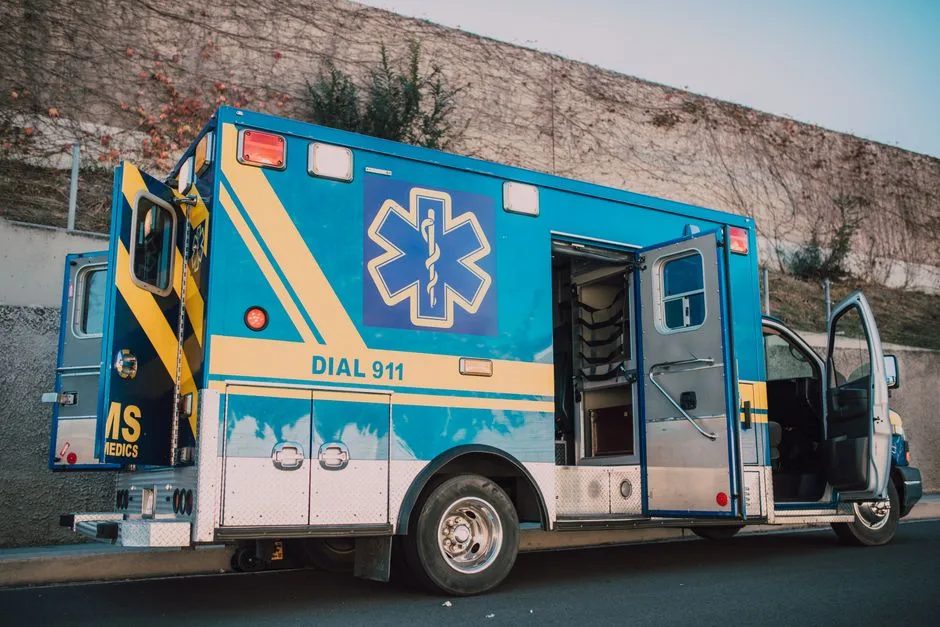
When safety alerts appear, readers should distinguish between advisory notices and mandatory actions. Explain what actions are required, what is optional, and how to verify the information with official channels. Clarity reduces confusion during critical moments.
- Identify official alerts
- Track updates in real time
- Prepare a simple household plan
- Know where to get help
Describe how authorities typically respond to incidents, including expected timelines and common channels for updates. This helps readers anticipate changes and adjust plans accordingly.
Offer practical steps for individuals and households to prepare, such as checking emergency contacts, securing essential supplies, and knowing evacuation routes.
- Rely on official advisories
- Monitor updates from authorities
- Prepare basic emergency plans
- Share verified information carefully
Frequently asked questions
How can I verify the reliability of a regional update?Begin by checking the publication date and author. Look for corroboration from a second reputable source or an official agency. If details are unclear, pause and seek the primary statement or a direct quote from authorities. Verification is a step readers should perform before acting on information.
What should I do if different sources give conflicting details?Compare the timelines and the specific claims each source is making. Prioritize official channels for safety or policy guidance. If uncertainty remains, wait for a clarifying update and avoid spreading incomplete or disputed information.
Are there recommended ways to follow regional news responsibly?Create a short list of trusted outlets and official portals. Set alerts for the topics that matter most to you, and check timestamps before sharing. Use primary sources for final details and report obvious errors to editors.
What is the best way to report a potential error in coverage?Use the feedback mechanism provided by the site, referencing the article URL and the specific claim. Provide your own verifiable details if possible, and request a correction or a transparent note about why information was presented as it was. Editors will review and respond with updates if needed.
Practical next steps for readers
Readers leave with a clear sense of how to assess and use Bağcılar Eczane Bilgileri and related coverage in daily life. The emphasis is on verifying reliability, following official updates, and applying practical steps to stay informed and safe.
A concrete next step is to subscribe to reliable regional feeds and check the primary sources whenever an alert is issued. This builds resilience for themselves and their communities by ensuring information is acted on with confidence.
You may also find How to use Bağcılar Konut İlanları helpful as it covers related aspects of this subject.
Readers interested in this subject may also want to explore Practical guide to Bağcılar Akşam Namazı for additional perspectives.
You may also find Understanding Bağcılar İş Fırsatları: practical guide helpful as it covers related aspects of this subject.
Add Taiwan News as a preferred source on Google


