
Sell second-hand items in the USA: a practical checklist for readers
A practical, newsroom-style guide outlining steps to sell second-hand items in the USA, with clear cautions, options and tips for readers and reporters alike.

This guide offers a practical, reader-focused checklist for anyone looking to sell second-hand items in the USA. It provides clear steps, from preparation to listing and sale, with concrete examples and cautionary notes. The aim is to give readers a reliable framework they can apply to real-world situations and current-market realities.
In the newsroom mindset, the emphasis is on accuracy and usefulness: identify what works, what to avoid, and how to adapt to local rules and platforms. The reader should finish with a concrete plan for moving items from hand to buyer. The guidance stays practical and grounded in observable steps.
Readers can expect a steady path: assess the item, choose the best channel, prepare documentation, and manage listings with transparency and safety in mind.
- Prepare the item with honest condition notes and clear photos.
- Choose the best channel for your item and safety needs.
- Use a transparent description and documented transactions to build trust.
- Plan for shipping, meet-up logistics, and buyer protections to reduce risk.
Basics of selling second-hand items
Assess the item’s condition
Start by evaluating the item’s current state: describe any wear, defects, and included accessories. This helps set an honest price and manage buyer expectations. Document notable flaws with photos and clear notes to prevent disputes. sell second-hand items in the USA helps set the frame for responsible, practical sales coverage.
- Evaluate condition honestly
- Document details with photos
- Set clear expectations
- Make a neutral appraisal of cosmetic and functional condition
- Note any missing parts or warranties
- Take clear, well-lit photos from multiple angles
Choose the sale channel
Consider the audience and item type when selecting a platform. Online marketplaces, local groups, and classifieds each have different reach and rules. Weigh safety, fees, and turnaround time before listing.
How to list items effectively
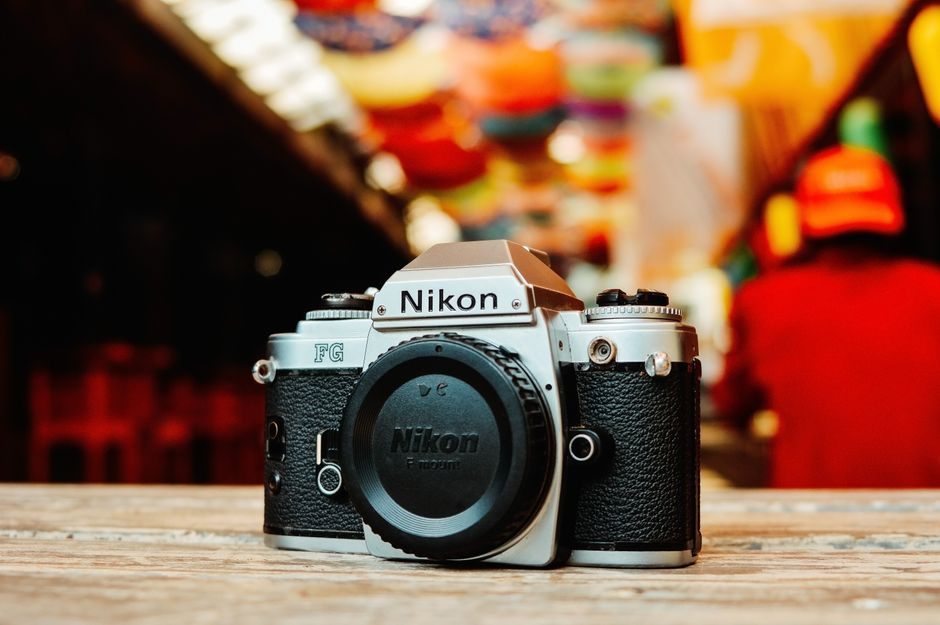
Craft accurate descriptions
Use concise, factual language. List dimensions, model numbers, materials, and condition. Avoid hype and stick to verifiable details to build trust. Defense News US headlines provides a concrete example of how timely reports frame local context.
- Include measurements
- State shipping options
- Clarify return policy
Photograph for credibility
Photos should show scale, functionality, and flaws. Use a neutral background and consistent lighting. Include close-ups of labels, serials, and defect areas.
- Show item in use if possible
- Capture serial numbers
- Highlight any damage
Options for selling fast
Local meet-ups and curbside
Local exchanges can speed up turnover. Meet in public places during daytime hours and bring a secure, tested payment method. Be prepared for questions about origin and history of the item. local events in the USA this week signal how community activities influence buyers and sellers.
- Meet in busy areas
- Verify payment before handing over item
- Bring receipts or proof of ownership
| Option | Pros | Cons |
|---|---|---|
| Local meet-ups | Fast turnover, direct payment | Limited reach, potential safety concerns |
| Online marketplace | Wider audience, buyer protection | Fees and more steps |
| Hybrid approach | Balance of speed and reach | Management overhead |
Online marketplace routes
Platforms vary in speed and audience. Some offer buyer protection and shipping options, which can broaden reach but add steps. Track listings, messages, and fees to assess the true cost and effort.
- Monitor for scams
- Use tracking for shipped items
- Keep communication clear and documented
Trust but verify buyers who ask odd questions or request unusual payment routes.
Pitfalls to avoid

Overpromising condition
Describing an item as flawless when flaws exist invites disputes and refunds. Maintain honesty and use a standard checklist when assessing condition. find local businesses in the USA can be a resource for secure, trusted exchanges in your area.
Safety and scams
Online sales carry fraud risks. Use secure payment methods and avoid sharing sensitive data. Trust but verify buyers who ask odd questions or request unusual payment routes.
- Don’t accept odd payment methods
- Use escrow or platform protections
- Meet in public places
Market trends to watch
Current demand patterns across items
This section identifies where buyers are most active in the US market, noting which item categories see steady interest. It explains how seasonal shifts and regional preferences influence demand. It also shows how to interpret demand signals without relying on hype or guesswork. publish a death notice in the USA
- Identify items with steady buyer interest
- Note regional differences in demand
- Track listing engagement to inform pricing
- Adjust strategy based on short-term data
Use concrete examples like furniture in college towns versus electronics in suburban zones to illustrate trends. Readers learn to track listing views, watchlists, and price drift to gauge momentum.
Finally, this segment offers a practical approach to testing your market sense: start with low-risk items, compare similar listings, and adjust prices within a few days based on observed activity.
- Track item categories with consistent interest
- Observe regional demand differences
- Watch price movement over a 1–2 week window
- Compare similar listings to gauge competitiveness
- Test ideas with small batches
Legal and tax basics
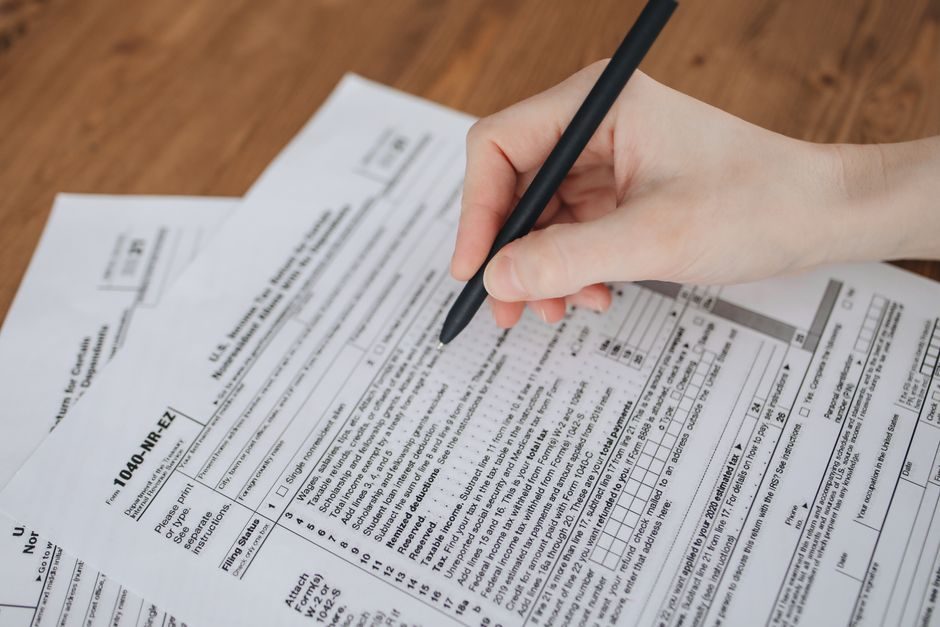
Understanding laws that affect selling
This part covers basic legal considerations for individuals selling second-hand items in the USA, including who is considered a seller versus a casual tester. It highlights common regulatory gaps that readers should know before listing high-value items. It also clarifies when professional obligations may apply.
Readers learn to separate personal sales from business activity, which matters for reporting income and identifying applicable tax rules. Examples show how to categorize items by use, value, and frequency.
The guidance emphasizes documenting transactions and keeping simple records to support potential audits or inquiries without claiming legal expertise.
- Know when activity becomes a business
- Differentiate occasional sales from resale businesses
- Keep basic records of purchases and receipts
- Understand when sales tax collection may apply
- Consult a professional for complex cases
Ethical considerations for resellers
Respectful treatment of buyers and communities
This section outlines ethical standards for resellers, from accurate item descriptions to transparent handling of returns and shipping times. It stresses the importance of avoiding misleading claims and overpricing. Real-world scenarios help readers assess risk.
Readers learn to communicate clearly about item condition, provenance, and expected delivery, reducing disputes and bad feedback. It also covers handling damaged items and refunds professionally.
The final point reinforces building trust through consistent, fair practices that protect both seller and buyer in the long run.
- Provide honest descriptions
- Be transparent about flaws
- Honor agreed delivery times
- Address disputes promptly
- Protect buyer privacy
Finding trusted partners in the USA

Choosing platforms and intermediaries
This portion explains how to select marketplaces, payment processors, and shipping partners that fit a seller’s scale and risk profile. It emphasizes reliability, fees, and user protections. The focus is on practical evaluation rather than brand names.
Readers learn to compare service terms, dispute resolution, and security measures. It includes steps for vetting vendors through trial runs and reviewing independent feedback.
The section closes with a plan to document decisions and set up basic controls to monitor partner performance over time.
- Compare platform fees and protections
- Test vendor reliability with small orders
- Check dispute resolution options
- Review seller reviews and ratings
- Document decision criteria
Frequently asked questions
What is the best first item to list for beginners?Choose something with broad appeal, a known condition, and clear photos. Start with a low-risk category to practice descriptions, pricing, and buyer communication. Track how views and saves translate into inquiries and sales to refine your approach.
Do I need a business license to sell second-hand items online?Most casual sellers do not need a business license for irregular sales. If selling becomes a steady source of income or expands beyond personal items, rules may apply. Keep records of earnings and costs to prepare for potential tax considerations.
How should I handle shipping international buyers?Check the platform’s shipping policies and calculate costs before listing. Communicate timelines clearly, choose insured options for valuable items, and provide tracking. Resolve any issues promptly to maintain positive ratings.
What precautions protect me from scams?Verify buyer details and use secure payment methods. Avoid sharing sensitive information, require confirmed addresses, and document item condition with photos before shipping. If a payment looks suspicious, pause the transaction and seek platform support.
Conclusion
Readers can start small, test different item types, and learn what buyers respond to in the US market. The most reliable approach blends accurate descriptions, steady communication, and careful price adjustments.
Taking a measured, record-driven stance helps readers scale without overextending. The next step is to choose one starter item, prepare a careful listing, and monitor outcomes for a week.
Add Taiwan News as a preferred source on Google


