
Where to Find Local US Businesses: A Practical Guide for News Readers
A clear, reporterly comparison of methods to locate local US businesses, with practical steps, pitfalls to avoid, and tips for readers who rely on timely inform

In plain terms, this guide helps readers find local businesses in the USA through reliable, practical channels. It compares how different resources work, what to expect, and how to verify information before acting. The aim is to give readers clear steps they can follow when a breaking story mentions a local business or a community impact event.
A second priority is accuracy: you will learn how to assess source credibility, distinguish listings from news, and avoid common traps that mislead readers seeking nearby services. This is not about hype, but about usable routes to practical information for reporters and residents alike.
A final goal is currency: you will see concrete actions you can take now to locate accurate local business data, from planning notes for a newsroom to a quick search for a neighbor’s favorite shop. The result is a practical, reader-focused framework you can apply during breaking news or routine reporting.
- Use official registries and trusted directories to ground local business data. Cross-check across sources and verify directly when possible. Alerts can help track changes in real time.
- Different directories update on different schedules; expect gaps and verify critical details with the business. Document your steps to preserve transparency.
- Develop a fast, two-source workflow for breaking news and keep clear notes on source reliability and last update times. When data is provisional, state that clearly and show how you verified it.
- This guide helps readers responsibly locate and verify local US businesses, with concrete steps, checks, and practical tips to avoid common errors.
Basics and credibility
Finding reliable sources
Start with established directories and official business registries to ground your search in verified data. Compare listings across platforms to spot inconsistencies that may indicate outdated information. This helps you avoid reporting or following business details that could mislead readers. find local businesses in the USA is a useful phrase when searching official registries and local directories for current listings.
Check the business name, address, and phone number against a primary source.
Note any recent ownership changes or rebranding that could affect accuracy.
Look for recent reviews or activity that confirm the business is currently open.
- Check the business name, address, and phone number against a primary source.
- Note any recent ownership changes or rebranding that could affect accuracy.
- Look for recent reviews or activity that confirm the business is currently open.
- Warning: verify basic details before reporting or acting
Why listings vary
Different directories use distinct update cycles and data feeds, so a business may appear in one listing but not another. This often reflects reporting lags, recent relocations, or name changes. Understanding these nuances helps you interpret what you see without assuming it is wrong.
Different data standards also affect how much information is shown, such as hours or services. Treat any missing fields as a prompt to verify directly with the business.
In fast-moving situations, rely on contemporaneous sources and primary confirmations to keep your coverage accurate.
How to verify locally
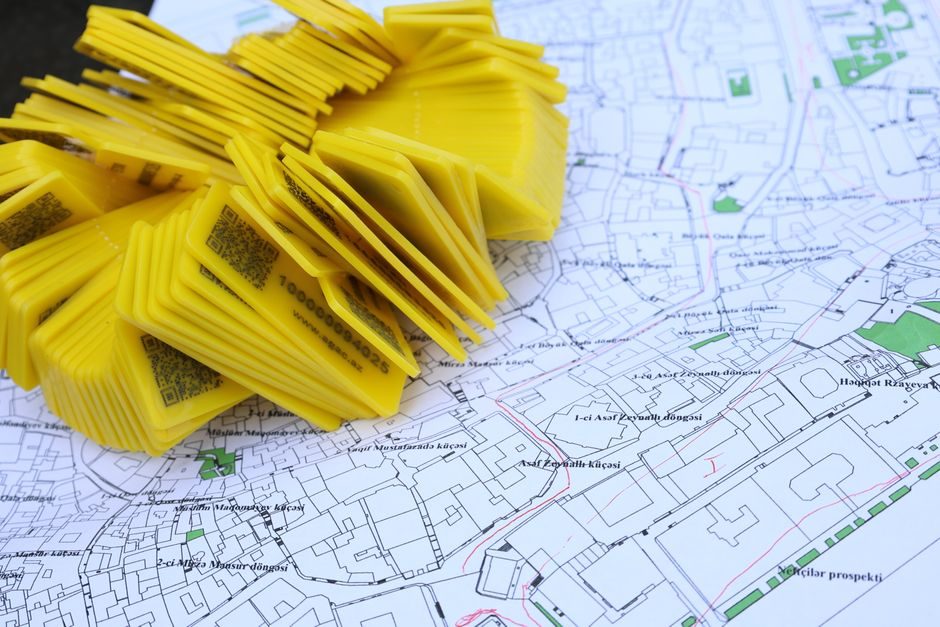
Cross-check strategies
Use two independent sources to confirm a business’s status and location before publishing. If a street number changes, check municipal records or recent notices. This reduces the risk of reporting outdated details. Education NV website
Cross-checks should cover hours, contact details, and service scope, especially if the business operates in a sector impacted by a breaking event.
When possible, contact the business to confirm current operations and hours, noting any deviations from standard practice.
- Use municipal or county records for address verification.
- Confirm operating hours with a phone call or official website.
- Note recent events that could affect operations (holidays, outages).
Using alert tools
Set up reliable alerts for local business news from trusted outlets and city notices. Alerts help you catch changes quickly without constantly rechecking sources. This is helpful during ongoing events where conditions may shift.
Designate a specific workflow for verifying alerts, including timestamps and source notes so readers understand the timeline of information.
Avoid overreacting to a single update; corroborate with a second source before changing guidance or recommendations.
- Choose alerts from official channels when possible.
- Document source name and time for each update.
- Always seek a direct confirmation from the business if feasible.
Options and tools
Directory families
There are several categories of directories, from government registries to commercial databases. Each category has strengths and gaps, so a mixed approach often yields the best coverage. This helps news readers locate businesses quickly during a story. A useful resource on this topic: promote your event in the USA.
A practical tactic is to start with official records, then supplement with widely used aggregators to fill gaps.
Track which sources provide the most reliable, up-to-date details and label any uncertainties in your notes.
- Official registries provide verified data.
- Commercial directories can be faster but vary in accuracy.
- Local chamber or business federation pages often offer current contacts.
| Source type | Strengths | Limitations |
|---|---|---|
| Official registries | Verified primary data | Update lag; may lack depth or hours info |
| Commercial directories | Broad coverage | Vary in accuracy; may miss recent changes |
| Local chambers | Community insight | Data not always centralized or timely |
Local knowledge routes
Ask community members or reporters on the ground to share what they use to find services nearby. Local knowledge adds nuance that screens alone can't provide, such as business reliability or common misdirections.
Document these frontline insights carefully to balance official data with lived experience.
When a story hinges on a local business, corroborate community tips with a primary source whenever possible.
- Ask for multiple confirmations from different locals.
- Record dates of when insights were gathered.
- Separate rumor from verified fact in your notes.
In breaking news, be extra cautious about hours and services that may change quickly.
Pitfalls and warning signs

Red flags to notice
Be alert to listings with outdated contact details or mismatched addresses. Such signs point to data that may mislead readers. Treat them as prompts to verify directly with the business or a trusted source. A useful resource on this topic: sell second-hand items in the USA.
In breaking news, be extra cautious about hours and services that may change quickly. Avoid shaping guidance on uncertain data.
- Outdated phone numbers and addresses.
- Mismatched business names across sources.
- Unclear hours or scope of services in listings.
Over-reliance risks
Relying on a single outlet can lead to missed updates or biased listings. Diversify sources to capture a fuller picture of the local landscape. This reduces the chance of amplifying misleading information.
Always compare what you find with firsthand confirmations when the stakes are high, such as a business directly confirming a service interruption or closure.
Keep a running list of sources and timestamps to track how your understanding evolves during a developing story.
- Diversify data sources.
- Obtain direct confirmations for critical changes.
- Maintain source timestamps for transparency.
How to compare sources for credibility
Evaluating source trustworthiness
When comparing sources, start with the organization behind the information. Look for funding sources, editorial standards, and whether the outlet publishes corrections. Compare the same claim across multiple outlets to gauge consistency and potential bias. place a death notice in the USA to guide readers on where to file a local notice if needed
Cross-check the data against official records or industry databases to confirm accuracy. Prefer sources that provide traceable references and contact information. Be wary of anonymous or unverified posts that lack verifiable provenance.
Consider the intent and audience of the outlet. Newsrooms with a transparent corrections policy and clear sourcing are more reliable. If a source avoids accountability, treat the information with caution.
- Check for an editorial standards page
- Look for named sources and quotes
- Verify with official records
- Watch for hurried corrections
- Assess overall tone and balance
Practical steps for newsroom use
Incorporating local data into reporting
Start with a data inventory: map what local business data you already have versus what you need. Draft a standard data sheet with fields like name, address, category, and status. Use a consistent format to simplify auditing and updates.
- Audit current data
- Identify gaps
- Verify with official sources
- Update the dataset
Set a daily routine for data verification, including sourcing changes from business registries or chamber of commerce announcements. Maintain a log of changes to track credibility over time.
Integrate data checks into your editorial workflow so reporting remains accurate as stories develop. This keeps desks aligned and reduces last-minute corrections.
- Create a shared data sheet
- Schedule daily verifications
- Log every change
- Coordinate with editors
- Tag updates by importance
Ethical considerations in local reporting
Balancing transparency and privacy
Local reporting often hinges on sensitive information. Describe businesses and individuals factually without sensationalism. Respect privacy when data could cause harm, especially for small establishments.
- Overstating minor issues
- Withholding sources
- Ignoring local context
Disclosure of potential conflicts is essential. If a reporter has ties to a business, that connection should be declared to readers. Avoid undisclosed biases that could skew coverage.
Engage with community voices to provide context but avoid amplifying misinformation. Transparent correction practices reinforce trust after missteps.
- Avoid naming individuals without a public-interest reason
- Declare conflicts of interest
- Provide context from multiple perspectives
- Correct errors openly
- Respect data privacy when appropriate
Collecting and presenting local business data

Creating a usable local business dataset
Begin by defining the scope: geography, industry categories, and data fields. A focused scope makes verification simpler and reporting clearer. Collect data from official registries, business directories, and direct inquiries to reduce gaps.
- Define scope clearly
- Rely on official data
- Present in clear formats
Design a presentation that aids readers: maps, lists, and searchable tables help readers find nearby options. Use plain language and consistent categories so readers can compare entries quickly.
Maintain data hygiene with routine audits and periodic re-verification. Clear timestamps on data changes help readers assess reliability over time.
- Set scope and fields
- Source from official registries
- Use reader-friendly formats
- Annotate changes for transparency
- Schedule regular audits
Frequently asked questions
How can a reader determine if a local business listing is current?Look for the last updated date, cross-check with the business registry, and see if the listing notes recent changes. Reputable listings typically show when information was verified and by whom. If dates are missing, treat the data as potentially stale and seek corroboration.
What makes a source credible for local business information?Credible sources disclose their editorial standards, show traceable sourcing, and publish corrections. They provide direct contact details and encourage readers to report errors. The strongest signals are transparency, accountability, and consistency across multiple outlets.
How should reporters handle conflicting information about a business?Document each version with its source, note discrepancies, and seek confirmation from the business or official records. Present the most current, verified data first, and clearly label older or disputed details. Avoid presenting speculation as fact.
Is it okay to publish data from anonymous tips?Anonymous tips should undergo extra verification, because they lack accountability. Prefer named sources or documented records. If you publish anonymous information, explain how you verified it and why it is credible.
Practical next steps for readers and editors
For readers, treat local business data as a starting point rather than a final word. Use multiple sources to corroborate facts and note when information is time-sensitive. A cautious approach protects readers from misinformation.
For editors, establish a standard workflow that includes data verification, transparent sourcing, and clear corrections. Regular audits reduce errors and build trust with the audience.
Add Taiwan News as a preferred source on Google


