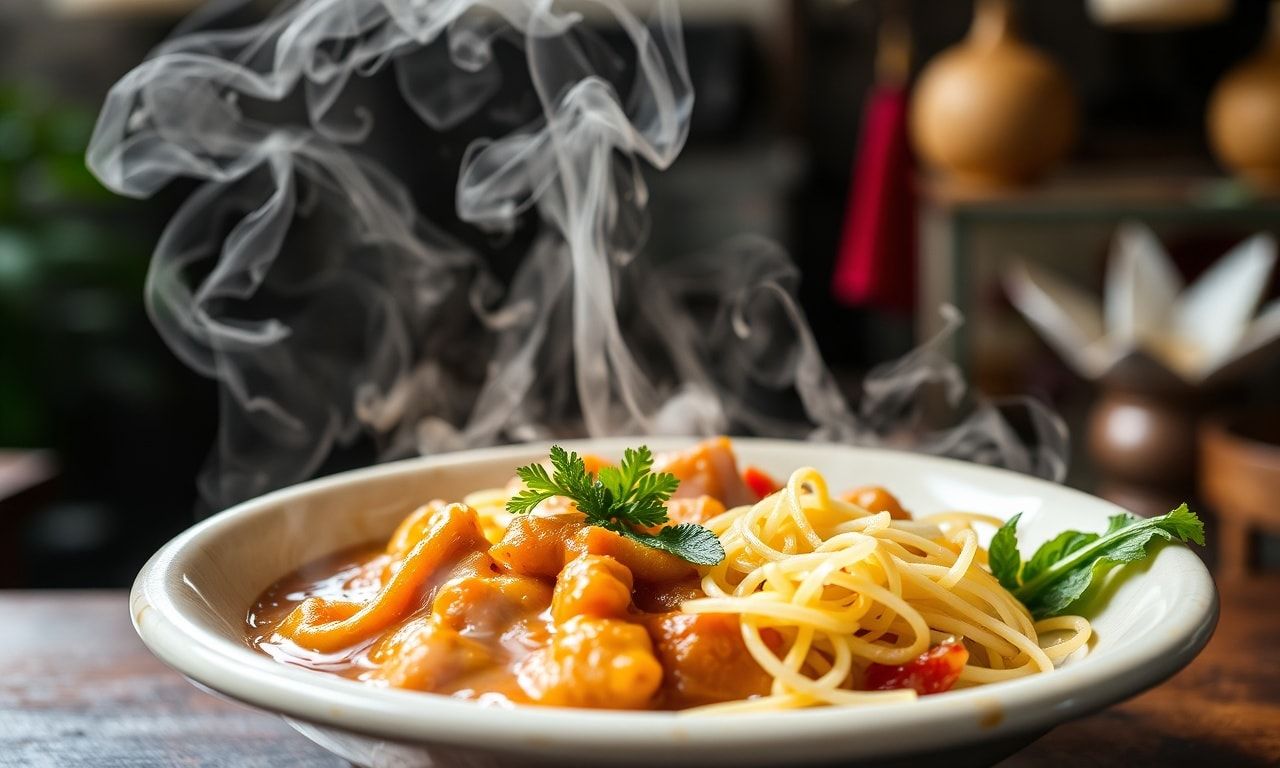
The Evolution of Taiwanese Cuisine
Taiwan’s culinary landscape is a vibrant tapestry woven with threads of tradition and innovation. Over the years, the island has transformed from a humble food scene to a global gastronomic hotspot, attracting food enthusiasts from around the world. This evolution is a testament to Taiwan’s rich cultural heritage and its ability to adapt and innovate.
The roots of Taiwanese cuisine can be traced back to the early settlers who brought with them a variety of cooking techniques and ingredients. Over time, these culinary traditions have been refined and adapted to suit local tastes and available resources. Today, Taiwan’s food scene is a delightful fusion of indigenous, Chinese, Japanese, and Western influences.
The Influence of Global Cuisines
One of the most significant influences on Taiwanese cuisine is the influx of immigrants from mainland China, Japan, and Southeast Asia. Each group brought with them unique culinary traditions that have been seamlessly integrated into the local food culture. For instance, the Japanese introduced sushi and ramen, while the Chinese contributed dim sum and hot pot. These influences have not only enriched the local cuisine but also created a diverse and dynamic food scene.
In recent years, Taiwan has also seen a rise in the popularity of international cuisines. From Italian pasta to Indian curry, Taiwanese chefs have embraced these global flavors and incorporated them into their own culinary repertoire. This fusion of global and local flavors has resulted in a unique and exciting food culture that is truly one-of-a-kind.
The Rise of Food Tourism
Food tourism has become a significant driver of Taiwan’s economy, attracting millions of visitors each year. The island’s vibrant street food culture, bustling night markets, and high-end dining establishments offer a culinary experience that is unparalleled. Visitors can indulge in a variety of dishes, from the humble xiaolongbao (soup dumplings) to the more elaborate beef noodle soup.
The popularity of food tourism has also led to a surge in the number of food-related businesses in Taiwan. From food blogs to cooking schools, these businesses cater to the growing demand for authentic and unique culinary experiences. Additionally, the rise of social media has played a significant role in promoting Taiwan’s food scene, with foodies from around the world sharing their culinary adventures on platforms like Instagram and Facebook.
For those looking to explore the culinary delights of other regions, a visit to Liverpool restaurants best rated review can provide a glimpse into the vibrant food scene of this historic city. From traditional British pubs to modern fusion restaurants, Liverpool offers a diverse range of dining options that cater to every taste and preference.
The Role of Technology in Taiwan’s Food Industry
Technology has played a pivotal role in the evolution of Taiwan’s food industry. From online food delivery platforms to food apps, technology has made it easier than ever for people to access a wide variety of culinary delights. These platforms not only provide convenience but also offer a platform for local chefs and food entrepreneurs to showcase their culinary skills and reach a wider audience.
Moreover, technology has also revolutionized the way food is produced and distributed in Taiwan. The use of advanced food processing techniques and logistics systems has improved the efficiency and quality of food production. This has not only benefited consumers but also contributed to the growth and development of the food industry.
The Future of Taiwanese Cuisine
The future of Taiwanese cuisine looks bright, with a growing emphasis on sustainability and innovation. Chefs and food entrepreneurs are increasingly focusing on sustainable practices, such as using locally sourced ingredients and reducing food waste. This shift towards sustainability is not only beneficial for the environment but also enhances the quality and authenticity of the food.
Innovation is another key trend shaping the future of Taiwanese cuisine. From molecular gastronomy to plant-based dining, chefs are constantly pushing the boundaries of traditional cooking techniques and experimenting with new flavors and textures. This spirit of innovation has resulted in a dynamic and exciting food culture that continues to evolve and adapt to changing tastes and preferences.
The Importance of Food Education
Food education plays a crucial role in preserving and promoting Taiwan’s culinary heritage. Schools and educational institutions are increasingly incorporating food education into their curricula, teaching students about the importance of sustainable and healthy eating habits. This not only helps to preserve traditional culinary practices but also promotes a healthier and more sustainable food culture.
Furthermore, food education also plays a vital role in nurturing the next generation of chefs and food entrepreneurs. By providing students with the necessary skills and knowledge, food education helps to ensure the continued growth and development of Taiwan’s food industry.
Conclusion
Taiwan’s culinary scene is a testament to the island’s rich cultural heritage and its ability to adapt and innovate. From the humble street food stalls to the high-end dining establishments, Taiwan offers a culinary experience that is truly one-of-a-kind. As the food industry continues to evolve, the future of Taiwanese cuisine looks bright, with a growing emphasis on sustainability, innovation, and food education.
For those looking to explore the culinary delights of other regions, a visit to Liverpool restaurants best rated review can provide a glimpse into the vibrant food scene of this historic city. From traditional British pubs to modern fusion restaurants, Liverpool offers a diverse range of dining options that cater to every taste and preference.