The Rise of Eco-Friendly Initiatives
Taiwan has been making significant strides in promoting sustainable transportation, aligning with global efforts to combat climate change. The island nation is increasingly embracing electric vehicles (EVs), public transportation, and cycling infrastructure to reduce carbon emissions and improve urban living conditions. These initiatives not only address environmental concerns but also foster economic growth and public health benefits.
Electric Vehicles Leading the Charge
One of the most notable developments in Taiwan’s transportation sector is the rapid adoption of electric vehicles. The government has implemented various incentives, such as tax breaks and subsidies, to encourage consumers to switch from traditional gasoline-powered cars to EVs. This shift is part of a broader strategy to reduce air pollution and dependence on fossil fuels. According to recent reports, the number of EVs on Taiwanese roads has been growing steadily, with projections indicating a significant increase in the coming years.
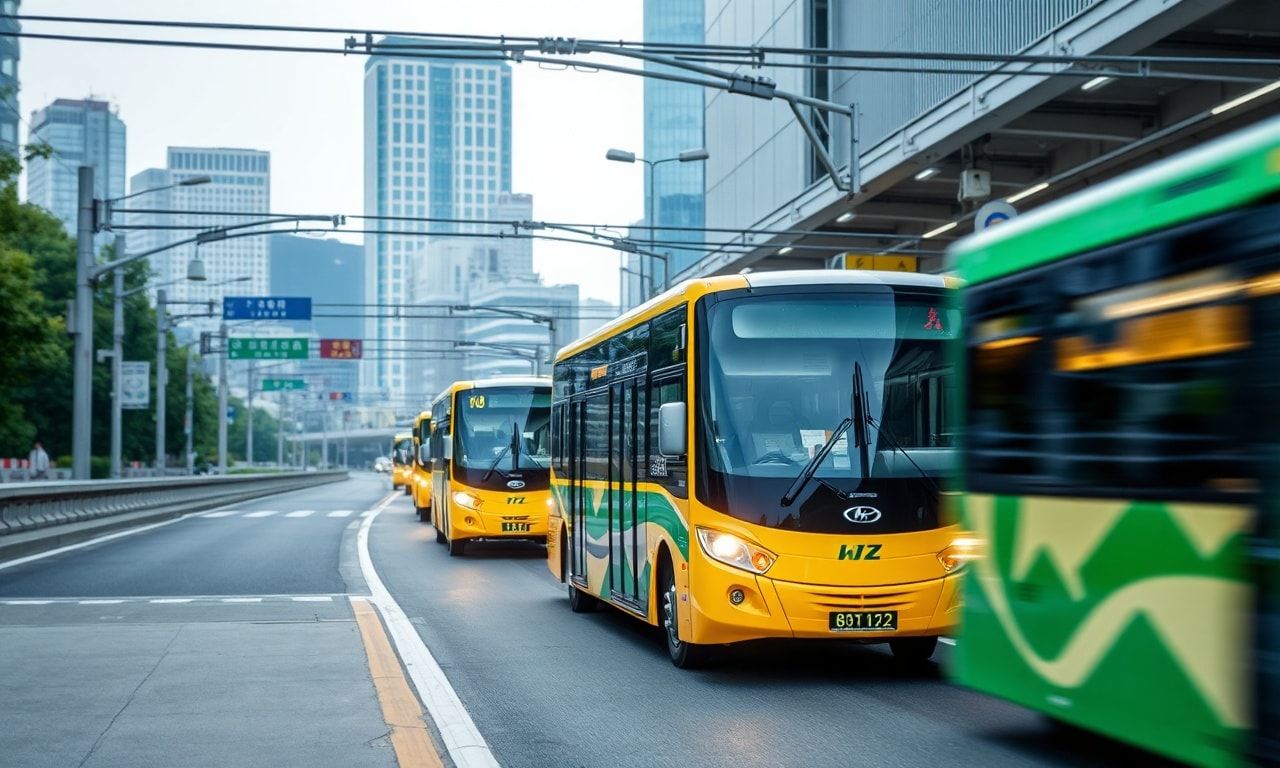
In addition to personal vehicles, Taiwan is also investing in electric public transportation. Buses and trains powered by electricity are becoming more common, particularly in urban areas. These initiatives are supported by the development of charging infrastructure, ensuring that EVs have reliable access to power sources. The government’s commitment to this transition is evident in its plans to build more charging stations and improve the overall EV ecosystem.
Expanding Public Transportation Networks
Public transportation plays a crucial role in reducing traffic congestion and lowering emissions. Taiwan has been expanding its metro systems and bus networks to provide more efficient and accessible options for commuters. The Taipei Metro, for example, is one of the most extensive and efficient systems in the world, offering a convenient alternative to driving. Similar projects are underway in other major cities, aiming to create a seamless and integrated public transportation network.
To further enhance the appeal of public transportation, Taiwan is also focusing on improving the user experience. This includes the introduction of real-time information systems, mobile ticketing, and enhanced station facilities. These improvements are designed to make public transportation more convenient and reliable, encouraging more people to choose it over private vehicles.
Promoting Cycling and Pedestrian Infrastructure
Cycling and walking are increasingly recognized as sustainable and healthy modes of transportation. Taiwan has been investing in cycling infrastructure, such as bike lanes and rental systems, to promote these alternatives. Cities like Taipei and Taichung have implemented extensive bike-sharing programs, making it easier for residents to incorporate cycling into their daily routines.
In addition to cycling, Taiwan is also focusing on creating pedestrian-friendly environments. This includes the development of pedestrian zones, sidewalks, and crosswalks that prioritize the safety and comfort of pedestrians. These efforts are part of a broader strategy to create more livable cities that encourage walking and reduce reliance on motorized transport.
Community Engagement and Education
Community engagement and education are essential components of Taiwan’s sustainable transportation initiatives. The government and various organizations are working together to raise awareness about the benefits of sustainable transportation and encourage public participation. This includes educational campaigns, community events, and partnerships with local businesses to promote eco-friendly practices.
For those interested in maintaining their vehicles in an eco-friendly manner, resources like the car detailing tips guide diy provide valuable insights into sustainable car care practices. These guides offer practical advice on reducing the environmental impact of vehicle maintenance, aligning with Taiwan’s broader sustainability goals.
Future Prospects and Challenges
The future of sustainable transportation in Taiwan looks promising, but there are still challenges to overcome. One of the main hurdles is the high initial cost of electric vehicles, which can be a barrier for many consumers. To address this, the government continues to explore additional incentives and financing options to make EVs more accessible.
Another challenge is the need for a more robust charging infrastructure. While progress has been made, there is still a need for more charging stations, especially in rural areas. Ensuring that the charging network keeps pace with the growing number of EVs is crucial for the success of these initiatives.
Despite these challenges, Taiwan’s commitment to sustainable transportation remains strong. The country’s innovative approach and proactive policies are setting a positive example for other nations. By continuing to invest in eco-friendly initiatives, Taiwan is paving the way for a greener and more sustainable future.
As families adapt to evolving lifestyles, understanding future transportation trends becomes increasingly important in today’s fast-paced world.
As marketing strategies continue to evolve, understanding the latest trends is crucial for staying ahead in the industry; our latest feature, marketing trends for 2026, offers a comprehensive look at what’s next.
To gain a deeper understanding of the intricate dynamics shaping our world, consider exploring modern geopolitical complexities in our latest comprehensive overview.