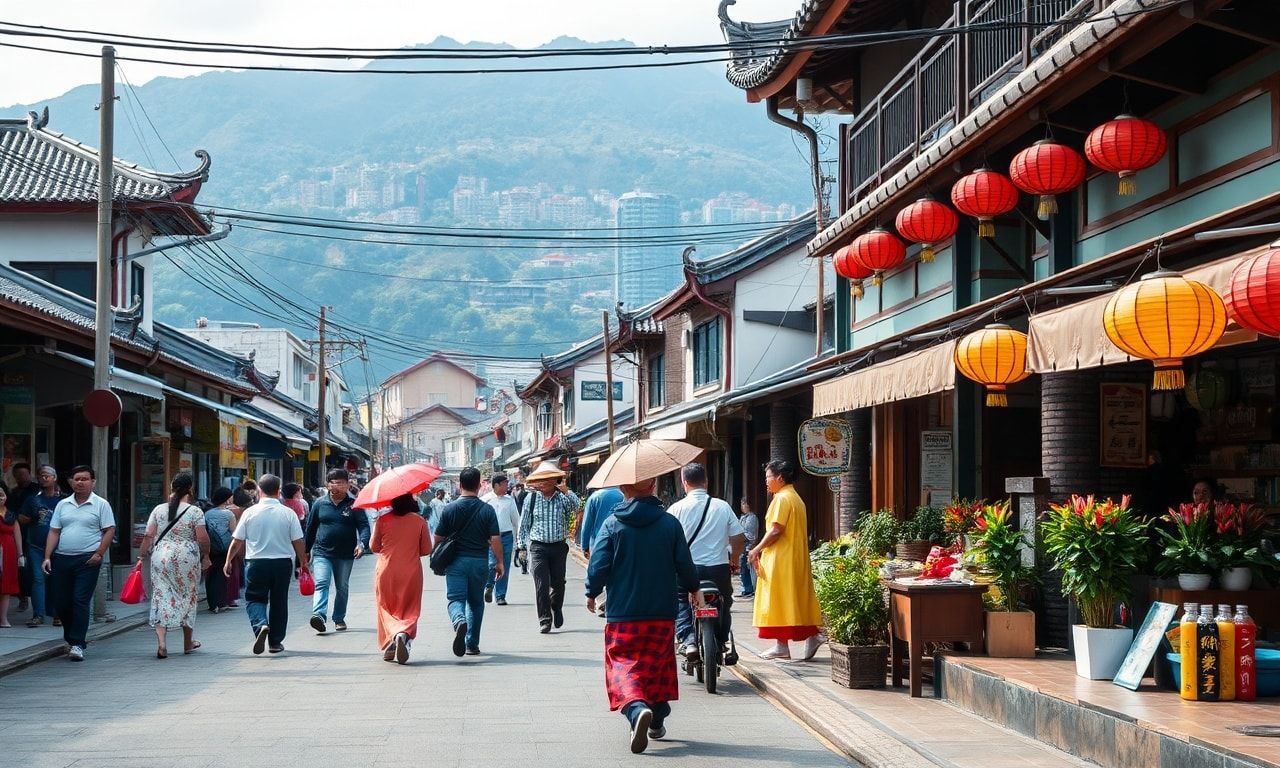
The Cultural Mosaic of Taiwan
Taiwan, a vibrant island nation off the coast of China, is renowned for its rich cultural heritage and diverse societal fabric. This unique blend of traditions and modernity is a testament to Taiwan’s historical evolution and its embrace of multiculturalism. From indigenous tribes to Chinese immigrants, Japanese rule to post-war settlements, Taiwan’s cultural landscape is a tapestry woven with various threads.
Indigenous Roots and Chinese Influence
The original inhabitants of Taiwan are the indigenous peoples, who have lived on the island for thousands of years. Today, there are 16 recognized indigenous groups, each with its own language, culture, and traditions. The arrival of Han Chinese immigrants, particularly during the Qing Dynasty, significantly influenced Taiwan’s cultural landscape. Chinese traditions, such as Confucianism, Buddhism, and Taoism, became deeply ingrained in Taiwanese society, shaping its values, customs, and festivals.
Japanese Colonial Period and Its Legacy
The 50-year Japanese colonial period (1895-1945) left an indelible mark on Taiwan. Japanese rule introduced modern infrastructure, education, and industrialization, which laid the foundation for Taiwan’s economic development. Additionally, Japanese cultural elements, such as architecture, cuisine, and language, were assimilated into Taiwanese society. Today, remnants of this historical period can be seen in various aspects of Taiwanese life, from the iconic red brick buildings in Tainan to the popularity of Japanese-style hot springs.
Post-War Developments and Religious Harmony
Following World War II, Taiwan experienced a significant influx of mainland Chinese refugees, who brought with them their cultural practices and religious beliefs. This period marked a new chapter in Taiwan’s multicultural journey, as the island became a melting pot of diverse traditions. One of the most notable aspects of Taiwanese society is its religious harmony. Taiwan is home to a wide range of religious groups, including Buddhists, Taoists, Christians, Muslims, and indigenous believers. This pluralistic environment fosters mutual respect and understanding among different faiths.
For the Muslim community in Taiwan, maintaining religious practices is crucial. With the help of modern technology, Muslims can easily access the most accurate prayer times, ensuring they can observe their daily prayers on time. This integration of technology into religious practices highlights Taiwan’s adaptability and inclusivity.
Festivals and Celebrations
Taiwan’s multicultural society is vividly reflected in its festivals and celebrations. Traditional Chinese festivals, such as the Lunar New Year, Mid-Autumn Festival, and Dragon Boat Festival, are celebrated with great enthusiasm. Indigenous tribes also have their own unique festivals, such as the Beigang Pilgrimage and the Harvest Festival, which showcase their rich cultural heritage. Additionally, Taiwan hosts various international events, such as the Taipei Pride Parade and the Taiwan Lantern Festival, which attract visitors from around the world.
Culinary Delights: A Fusion of Flavors
Taiwanese cuisine is a delightful fusion of various culinary traditions. From street food to fine dining, Taiwan offers a diverse range of dishes that cater to every palate. Popular Taiwanese dishes include beef noodle soup, xiaolongbao (soup dumplings), and bubble tea, which originated in Taiwan. The island’s culinary scene is a testament to its multicultural heritage, with influences from Chinese, Japanese, Southeast Asian, and Western cuisines.
Challenges and Opportunities
While Taiwan’s multicultural society is a source of strength and resilience, it also faces challenges. Issues such as cultural assimilation, language preservation, and social integration require ongoing attention and effort. However, Taiwan’s commitment to democracy, human rights, and social justice provides a solid foundation for addressing these challenges. By fostering a sense of shared identity and promoting cultural exchange, Taiwan can continue to thrive as a harmonious and inclusive society.
In conclusion, Taiwan’s multicultural society is a testament to its historical evolution and its embrace of diversity. From its indigenous roots to Chinese influence, Japanese colonial legacy to post-war developments, Taiwan’s cultural landscape is a rich tapestry of traditions and modernity. By celebrating its multicultural heritage and promoting social harmony, Taiwan sets an example for other nations striving to achieve a pluralistic and inclusive society.