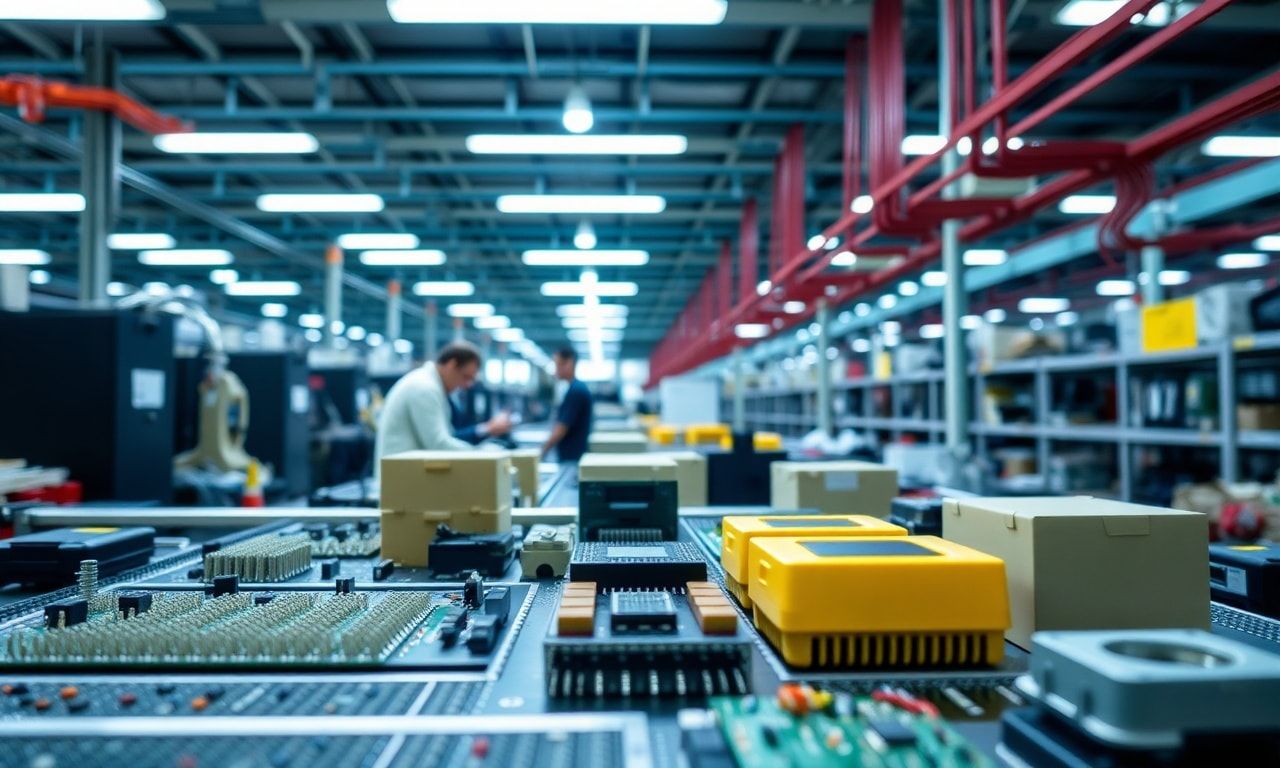
The Importance of Taiwan in the Global Semiconductor Industry
Taiwan, a small island nation in East Asia, has emerged as a global powerhouse in the semiconductor industry. The island is home to Taiwan Semiconductor Manufacturing Company (TSMC), the world’s largest dedicated independent semiconductor foundry. TSMC’s dominance in the market, particularly in the production of advanced chips, has made Taiwan a critical player in the global technology supply chain.
Semiconductors are essential components in a wide range of electronic devices, from smartphones and computers to automobiles and industrial machinery. The global demand for these components has been growing rapidly, driven by the increasing digitization of economies and the proliferation of connected devices. This surge in demand has put a spotlight on Taiwan’s role in the semiconductor industry and its impact on the global economy.
The Impact of Geopolitical Tensions
The geopolitical tensions between China and Taiwan have added a layer of complexity to the semiconductor supply chain. China, which claims Taiwan as part of its territory, has been increasing its military activities around the island. This has raised concerns about the potential disruption of semiconductor supplies, which could have significant implications for the global technology industry.
In response to these tensions, many countries have been diversifying their semiconductor supply chains to reduce their dependence on Taiwan. The United States, for example, has been investing heavily in domestic semiconductor manufacturing and research through initiatives like the CHIPS and Science Act. Similarly, the European Union has launched the European Chips Act to boost its semiconductor production capacity.
The Role of International Cooperation
International cooperation has become increasingly important in addressing the challenges posed by the global semiconductor shortage. Countries are collaborating to share resources, expertise, and technology to ensure a stable supply of semiconductors. For instance, the United States and Japan have been working together to develop next-generation semiconductor technologies and to secure critical materials.
Moreover, international organizations like the World Semiconductor Council have been playing a crucial role in facilitating dialogue and cooperation among semiconductor-producing countries. These efforts are aimed at promoting a more resilient and sustainable semiconductor supply chain that can withstand geopolitical and economic shocks.
Local News and Updates
For the latest updates on the semiconductor industry and other local news, residents and businesses in the region can rely on platforms like bölgemizdeki haberler güncel. These platforms provide timely and accurate information on a wide range of topics, including technology, economics, and politics, helping the community stay informed and prepared.
The Future of Taiwan’s Semiconductor Industry
The future of Taiwan’s semiconductor industry is bright, but it is not without challenges. The island faces competition from other semiconductor-producing countries, as well as the need to invest in research and development to maintain its technological edge. Additionally, the geopolitical tensions with China continue to pose risks to the industry’s stability and growth.
Despite these challenges, Taiwan’s semiconductor industry is well-positioned to continue its growth and innovation. The island’s strong technological capabilities, skilled workforce, and supportive government policies provide a solid foundation for the industry’s future success. Furthermore, the global demand for semiconductors is expected to continue growing, driven by emerging technologies like artificial intelligence, the Internet of Things, and 5G networks.
Conclusion
Taiwan’s role in the global semiconductor supply chain is undeniable. The island’s dominance in the production of advanced chips has made it a critical player in the technology industry. However, the geopolitical tensions with China and the need for international cooperation pose significant challenges to the industry’s stability and growth. By investing in research and development, fostering international cooperation, and staying informed through reliable news sources like bölgemizdeki haberler güncel, Taiwan can continue to thrive in the global semiconductor industry.
To gain a deeper understanding of the shifts in news consumption, consider exploring regional news in the digital era, a topic that is reshaping journalism practices worldwide.
Readers interested in this subject may also want to explore Navigating the Complexities of Modern Geopolitics: for additional perspectives.
Readers interested in this subject may also want to explore The Intersection of Celebrity Culture and for additional perspectives.