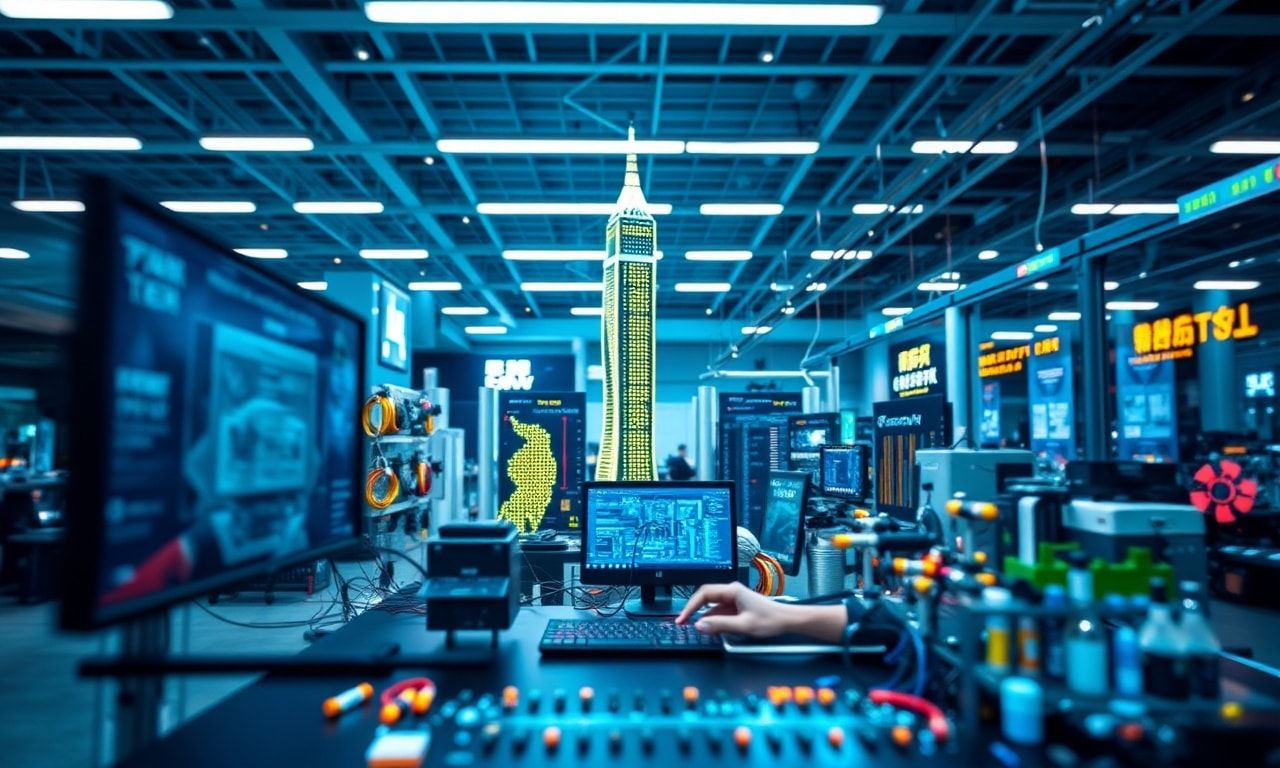
Taiwan’s Tech Industry: A Global Powerhouse
Taiwan has firmly established itself as a global leader in the technology sector, with its innovative companies and cutting-edge research driving economic growth and shaping the future of various industries. The island’s tech sector is a critical component of the global supply chain, particularly in semiconductor manufacturing, where Taiwan-based companies like TSMC and United Microelectronics Corporation (UMC) play pivotal roles.
The tech industry’s significance to Taiwan’s economy cannot be overstated. It accounts for a substantial portion of the island’s GDP and exports, making it a linchpin for Taiwan’s prosperity. The sector’s success is built on a foundation of robust research and development, a highly skilled workforce, and a commitment to innovation. As the world continues to embrace digital transformation, Taiwan’s tech industry is poised to maintain its position as a global powerhouse.
The Semiconductor Sector: Driving Taiwan’s Economic Engine
The semiconductor sector is the crown jewel of Taiwan’s tech industry. Taiwan Semiconductor Manufacturing Company (TSMC), the world’s largest dedicated independent semiconductor foundry, is a key player in the global market. TSMC’s advanced manufacturing processes and innovative technologies have made it an indispensable partner for tech giants worldwide. The company’s success has not only bolstered Taiwan’s economy but also solidified the island’s reputation as a hub for semiconductor innovation.
In addition to TSMC, other Taiwanese companies like UMC, Powerchip Semiconductor Manufacturing Corporation, and Vanguard International Semiconductor Corporation contribute significantly to the semiconductor sector’s growth. These companies’ collective efforts have positioned Taiwan as a critical player in the global semiconductor supply chain, driving economic growth and creating job opportunities for the local workforce.
Taiwan’s Tech Industry: Fostering Innovation and Collaboration
Taiwan’s tech industry thrives on a culture of innovation and collaboration. The island’s universities and research institutions, such as the National Taiwan University and the Industrial Technology Research Institute (ITRI), play a crucial role in nurturing talent and driving technological advancements. These institutions collaborate closely with industry partners to develop cutting-edge technologies and commercialize innovative solutions.
Moreover, Taiwan’s tech industry benefits from a vibrant startup ecosystem. Incubators, accelerators, and co-working spaces provide aspiring entrepreneurs with the resources and support they need to turn their ideas into successful businesses. This dynamic ecosystem fosters creativity and encourages the development of groundbreaking technologies that can compete on the global stage.
Navigating Challenges and Seizing Opportunities
Despite its impressive achievements, Taiwan’s tech industry faces several challenges. Geopolitical tensions, trade disputes, and the ongoing global pandemic have created uncertainties that could impact the sector’s growth. To mitigate these risks, Taiwanese companies must diversify their supply chains, invest in advanced manufacturing technologies, and explore new markets.
One promising opportunity for Taiwan’s tech industry is the growing demand for semiconductors in emerging technologies such as artificial intelligence (AI), the Internet of Things (IoT), and 5G networks. By leveraging its expertise in semiconductor manufacturing and R&D, Taiwan can capitalize on these trends and maintain its competitive edge in the global market. Additionally, the helpful resources online guide can provide valuable insights and strategies for navigating the complexities of the tech industry.
The Future of Taiwan’s Tech Industry: A Vision for Sustainable Growth
As Taiwan’s tech industry looks to the future, sustainability and social responsibility will be key priorities. Companies are increasingly recognizing the importance of environmental stewardship and are implementing initiatives to reduce their carbon footprint and promote sustainable practices. By embracing green technologies and circular economy principles, Taiwan’s tech industry can contribute to a more sustainable future while driving economic growth.
Furthermore, the tech industry must address the skills gap and ensure that the workforce is equipped with the necessary competencies to thrive in the digital age. By investing in education and training programs, Taiwanese companies can cultivate a talented workforce that can drive innovation and support the industry’s long-term success.
Conclusion: Taiwan’s Tech Industry as a Catalyst for Global Progress
Taiwan’s tech industry is a testament to the power of innovation, collaboration, and perseverance. Its remarkable achievements have not only transformed the island’s economy but also shaped the global technology landscape. As the world continues to evolve, Taiwan’s tech industry will play a crucial role in driving progress and addressing the challenges of the 21st century. By embracing sustainability, fostering talent, and seizing new opportunities, Taiwan’s tech sector can continue to thrive and make a lasting impact on the world.